Naples
A Curatorial Confession
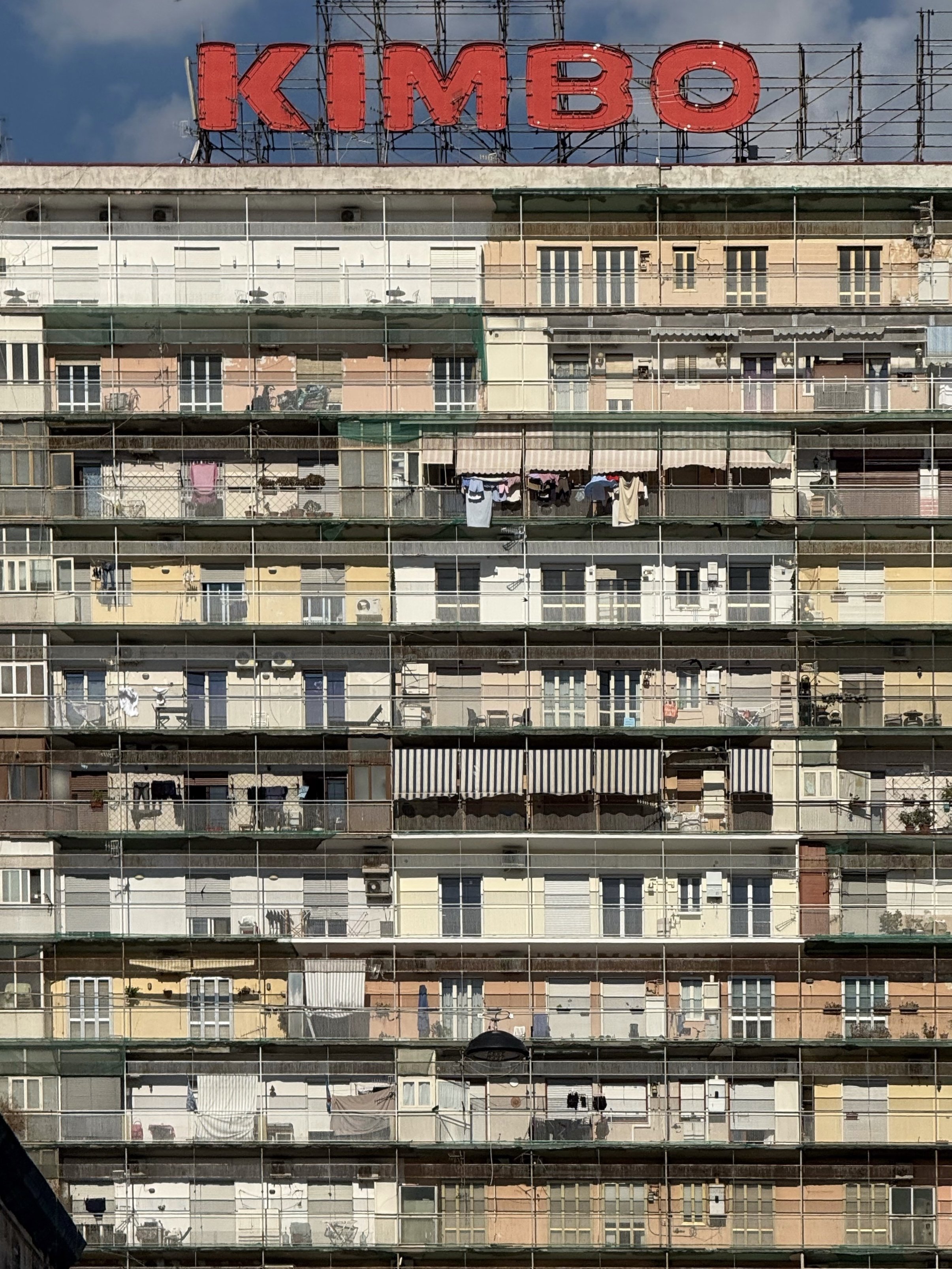
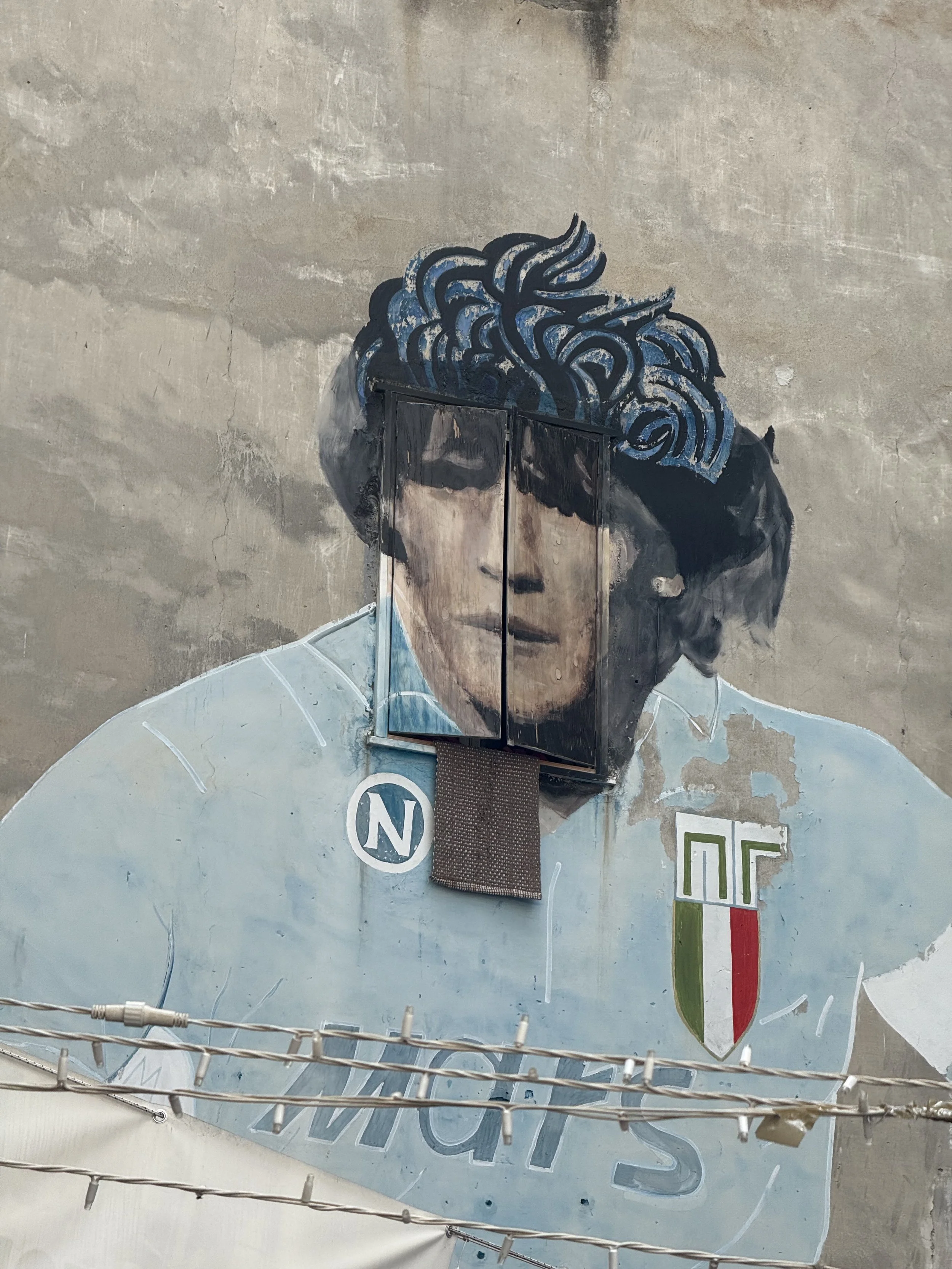
Naples has an image problem. Or maybe it doesn’t — maybe it just doesn’t care. Outsiders say dirty, dangerous, chaotic as if repeating a curse. The kind of words you toss around after a weekend trip where the cab ride from Capodichino scared you more than the city itself. Naples, to them, is a caricature: Camorra headlines, piles of trash, scooters driven like kamikaze missions.
And yet — the people who say Naples is too much are both wrong and, annoyingly, a little bit right. The city is harsh. It is loud. It doesn’t do luxury in the way Capri rehearses it or Rome stages it. It doesn’t soften itself for your gaze. And that’s exactly what unsettles visitors: Naples refuses to perform.
Even though I romanticize it, I’ll admit: Naples will fulfill some expectations, and others it will shatter without apology. It will give you a sunrise over Castel dell’Ovo that feels like an embrace, and it will also give you a dinner where your neighbors scream louder than the waiters. It’s a city that can love you and exhaust you within the same hour. And when you finally think you’ve found peace — say, a quiet day by the sea, in a “private” spot you’ve paid for — the group behind you might suddenly blast their own music and sing at the top of their lungs, unbothered by your desire for silence. Naples doesn’t negotiate with your expectations; it simply goes on being Naples.

How to Arrive, and When
Fly if you must, but Naples prefers you by train. The arrival is immediate, no buffer. The metro itself is a gallery: themed stations designed like installations, proof that elsewhere, public transit is an afterthought.
When to come? Always. Naples doesn’t do “on season” or “off season.” It does costume changes. In summer, the sea saves you from the heat. In autumn, the sunsets turn purple. In winter, the gulf sharpens into something almost melancholic. It never stops being Naples; it just changes outfits.
Architecture of Contradiction
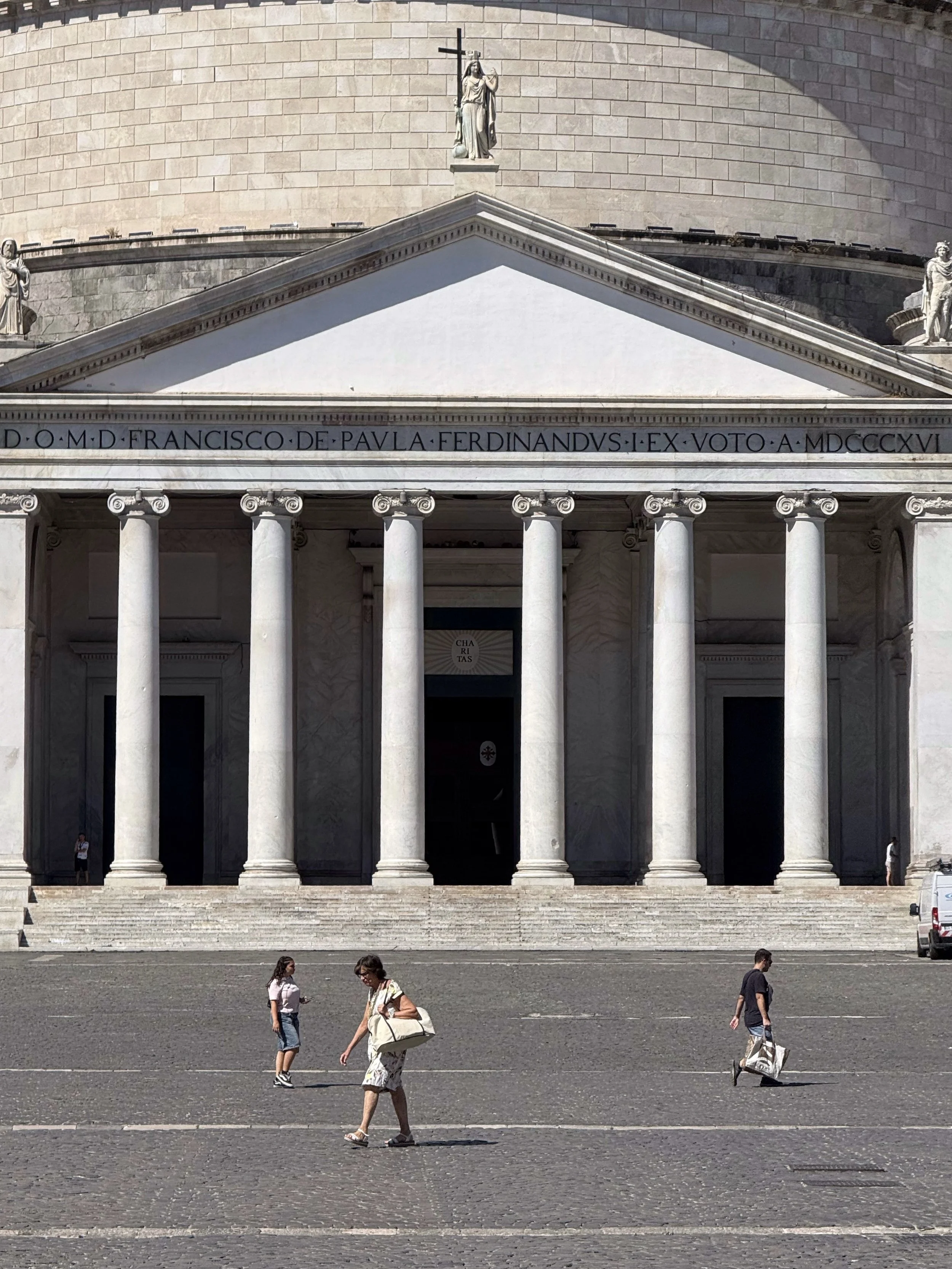
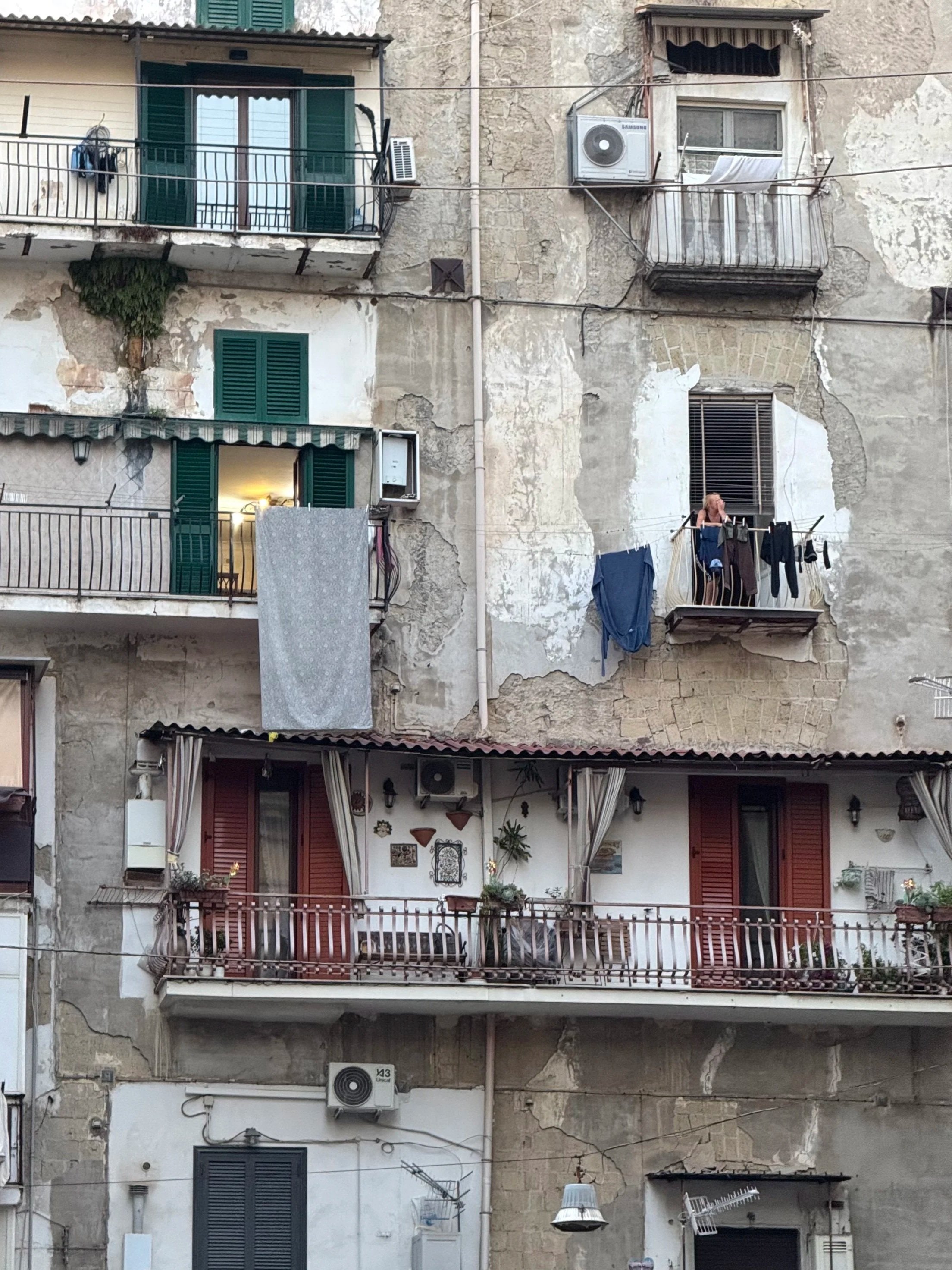
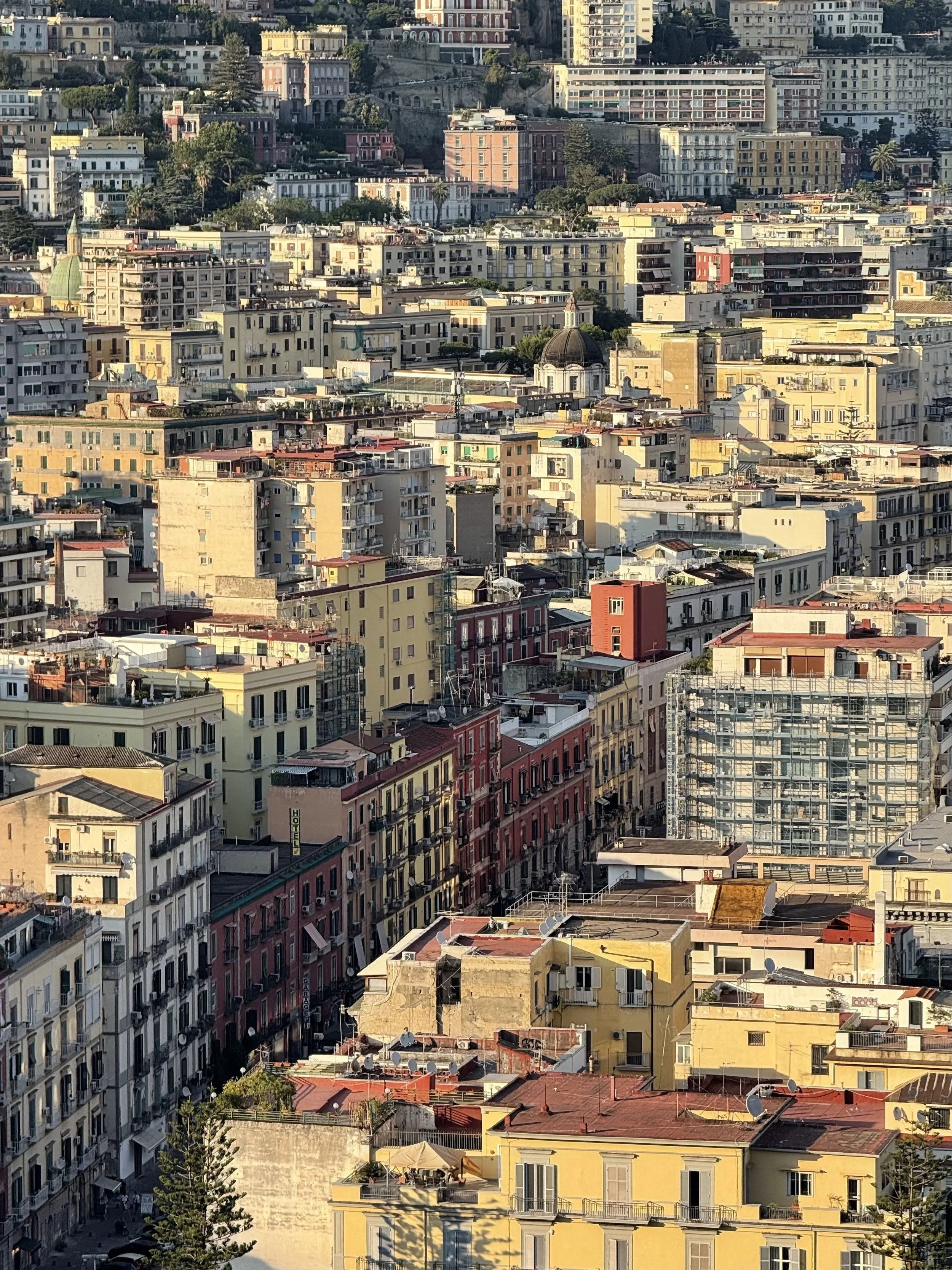
If you want Florence’s symmetry or Milan’s polish, you’ll be disappointed. But Naples’ beauty isn’t the arranged kind; it’s the unintentional, the unresolved.
Palazzo Donn’Anna — A ruin clinging to the sea, half-finished, half-decayed. Proof that beauty doesn’t need completion - layered with history, always suspended between splendor and decay.
Palazzo dello Spagnolo — The baroque staircase of Sanità: part architecture, part theater, fully alive.
Chapel of San Gennaro — featured in Sorrentino’s Parthenope, this chapel is both sacred and cinematic, where myth, religion, and modern storytelling converge.
Museo Civico Gaetano Filangieri — A jewel-box museum, with armor, tapestries, and decorative arts that feel oddly un-Neapolitan — which makes them essential.
Casa Morra Foundation — Contemporary art tucked inside historic walls, its San Felice staircase spiraling upward like a surreal Möbius strip.
Jago Museum — Naples’ own sculptor giving classical craft a contemporary pulse.
Royal Palace — Severe on the outside, but arcades, gardens, and history within. Naples’ own Versailles — if Versailles had Vesuvius.
Hotels:
Classic Grandeur (Luxury, Waterfront)
Grand Hotel Excelsior — Belle Époque nostalgia overlooking the gulf. Chandeliers, views, old-world glamour.
Grand Hotel Parker’s — Elevated, panoramic, and dignified, with a touch of academic charm, some might even call it classic luxury.
Boutique & Intimate (Mid-Range, Central)
Le Mummarelle — Nicely designed hotel on Via Santa Lucia, affordable and charming.
Artemisia Domus – Giardino — A green refuge in the middle of the noise. Naples, but curated.
Character & Local Spirit (Budget-Friendly, Authentic)
PrimoPiano Posillipo — Modest home, vast sea views. A brief remender that sometimes luxury is just a balcony.
Casa d’Anna ai Cristallini — In Sanità, this feels like staying with family. Imperfect, alive, deeply local.
Restaurants: Food as Theatre
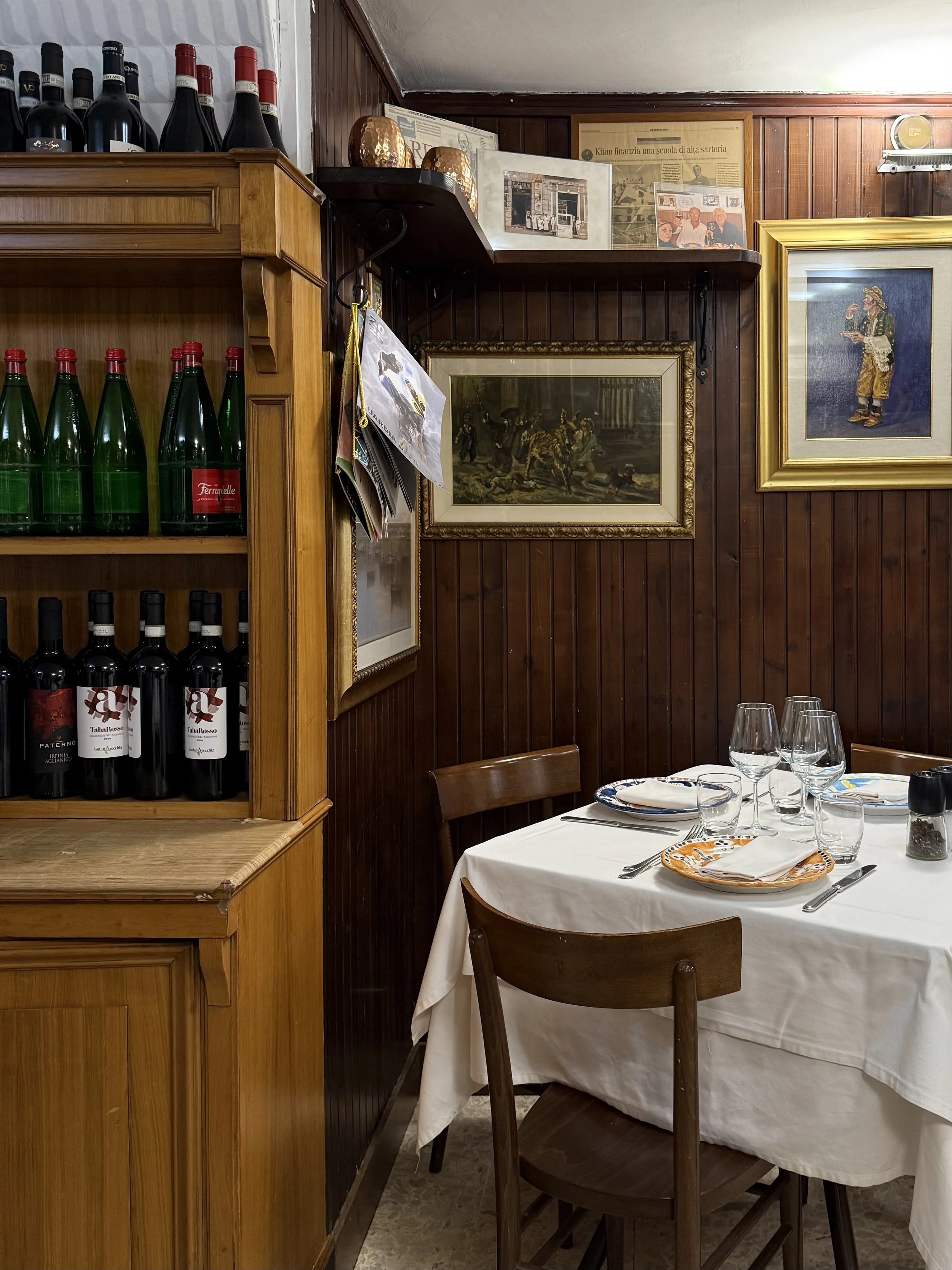
Eating in Naples is like being cast in a play you didn’t audition for. The script is loud, messy, delicious.
Ristorante Europeo Mattozzi — A family-run institution in Piazza Carità, famous for its traditional Neapolitan dishes.
Mimì alla Ferrovia — Once a railway canteen, now legend. Honest, soulful, no frills.
50 Kalò (Ciro Salvo) — Widely considered one of the best pizzas in Naples.
Concettina ai Tre Santi (Ciro Oliva) — Located in the Sanità district, this pizzeria isn’t just about pizza, but about storytelling through dough. It embodies Naples’ new culinary spirit.
Osteria della Mattonella — Hidden in the Quartieri Spagnoli, it feels frozen in time. Go for the potato pasta and the tiled interiors.
Trattoria da Nennella — The loudest dinner you’ll ever survive. Half feast, half stand-up show.
Rituals You Cannot Skip
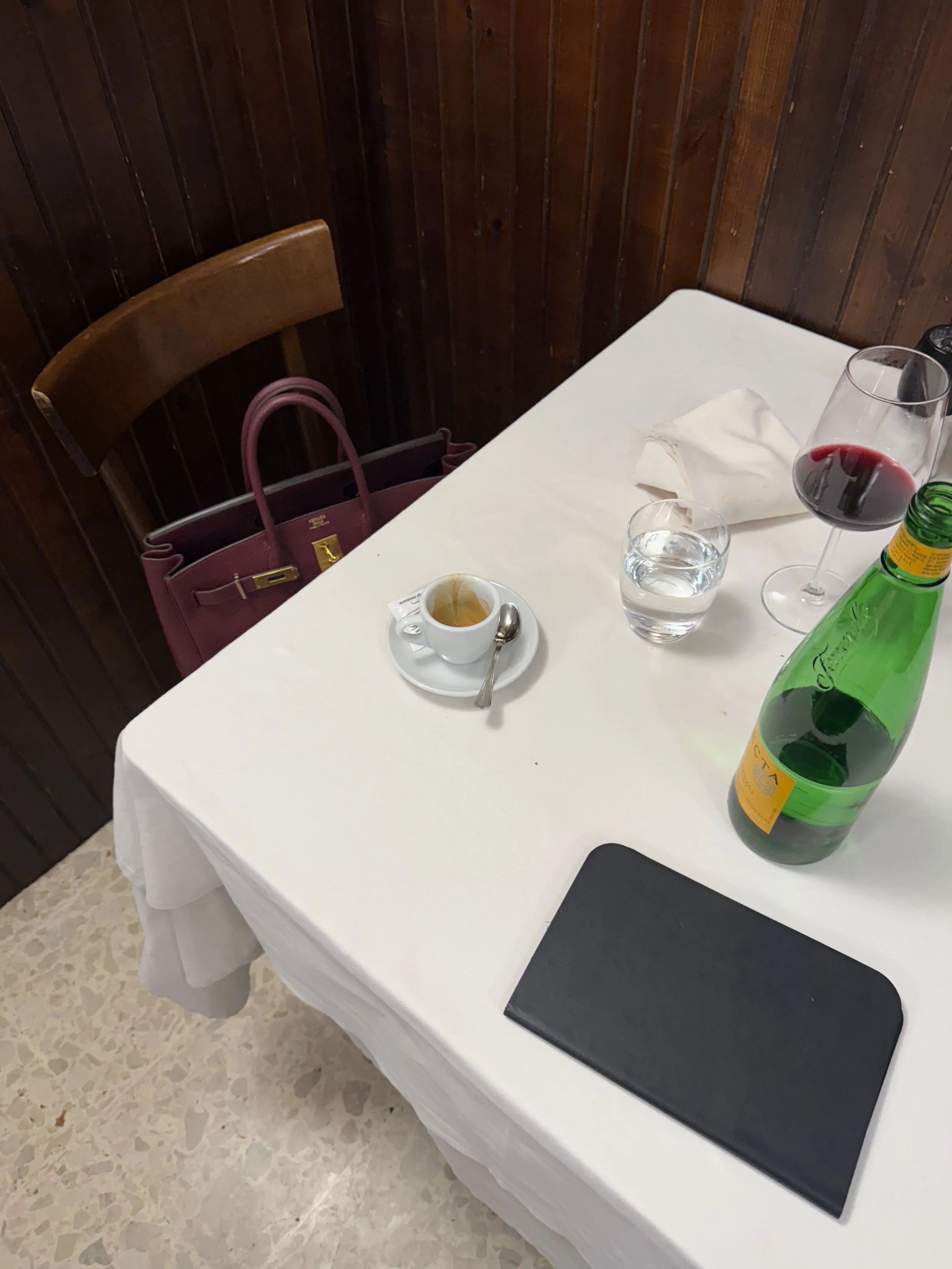
Gambrinus — Yes, it’s touristy. Yes, it’s gilded. But some clichés are worth keeping. Espresso here isn’t optional; it’s initiation.
Officina — A bar that proves luxury isn’t the point. Life is the drink, atmosphere the garnish.
From the Sea
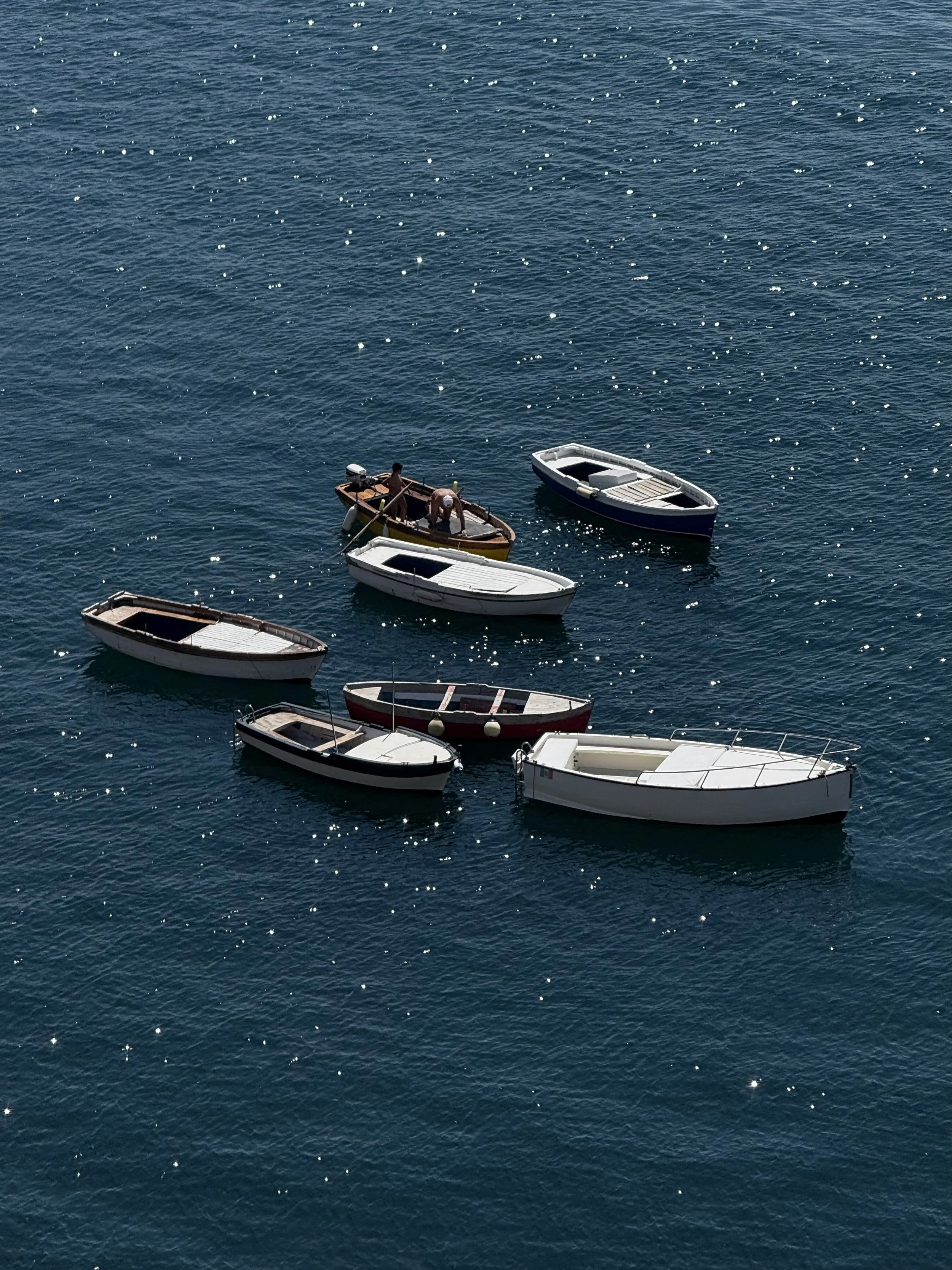
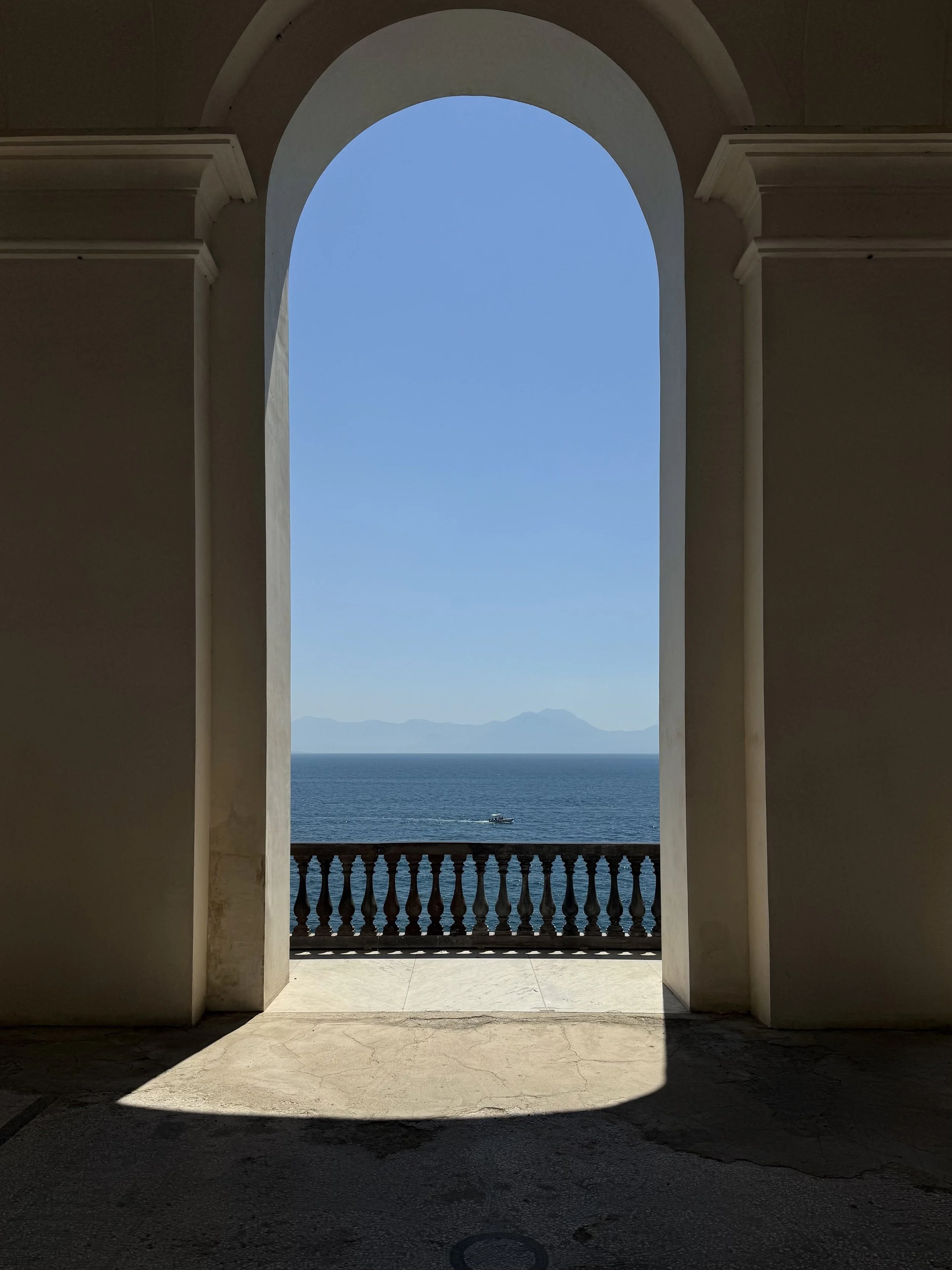
Naples demands to be seen from the gulf. Rent a kayak at Marechiaro, Posillipo, trace the villas and caves. From the water, the city finally makes sense: always facing outward, always suspended between leaving and returning.


Final Word
Naples is not a city you visit; it’s a city that happens to you — loudly, rudely, unapologetically. It will give you sunsets that look like Renaissance paintings and then ruin them with a motorino exhaust. It will hand you the best pizza of your life and serve it in a room where the volume is closer to a football match than fine dining. It will let you believe in romance at Castel dell’Ovo, then remind you, on the beach, that silence is just an urban myth — someone will always show up with a speaker and a bad playlist.
People say Naples is dirty, dangerous, chaotic. They’re right. People say Naples is magical, unforgettable, addictive. They’re right, too. It is both — which is to say, it is alive.
You don’t come here for perfection. You come for the contradictions, the noise, the mess. And if that feels overwhelming — well, maybe the city isn’t the problem.