Rome
A Curatorial Love Letter
Rome is not a city you visit, it’s a city you inhabit — whether for a weekend or a lifetime. It doesn’t whisper for your affection; it assumes it. Every street, every piazza, every ruin insists that beauty is not optional but inevitable. Rome is not “picturesque” — that word belongs to smaller, humbler places. Rome is theatre, opera, cinema. The backdrop is permanent, the performance unending.
Here, luxury is not in five-star amenities or curated perfection. It’s in the air itself: in the way the light softens the travertine at dusk, in the long lunches that bleed into aperitivo, in the certainty that no other city can compete with the sheer audacity of existing like this. Rome is La Dolce Vita not as cliché, but as condition — a rhythm you slip into, willingly, helplessly.
To walk its streets is to feel history collapse into the present, to live among layers without needing to peel them back. Rome doesn’t need to explain itself. It is enough simply to be.

When to come?
Always. Spring brings wisteria and the light of Renaissance paintings. Summer is merciless in heat but generous in nights that never seem to end. Autumn is golden, quieter, reflective. Winter is Rome in high relief — the fountains still flow, the streets still gleam, the past still waits at every corner. Rome doesn’t have a wrong season; it simply shifts its tone.
Architecture of Grandeur
Rome is not subtle. It is excess perfected, elegance worn with ease.
Janiculum Hill — The best sunsets in the city, all domes and terracotta bathed in pink.
Via Giulia & Via di Monserrato — Walking these streets feels like stepping into a painting, one where you’re both subject and spectator.
EUR — Mussolini’s modernist dream turned architectural open-air museum. Wide boulevards, rationalist facades — a very different Rome, but no less cinematic.
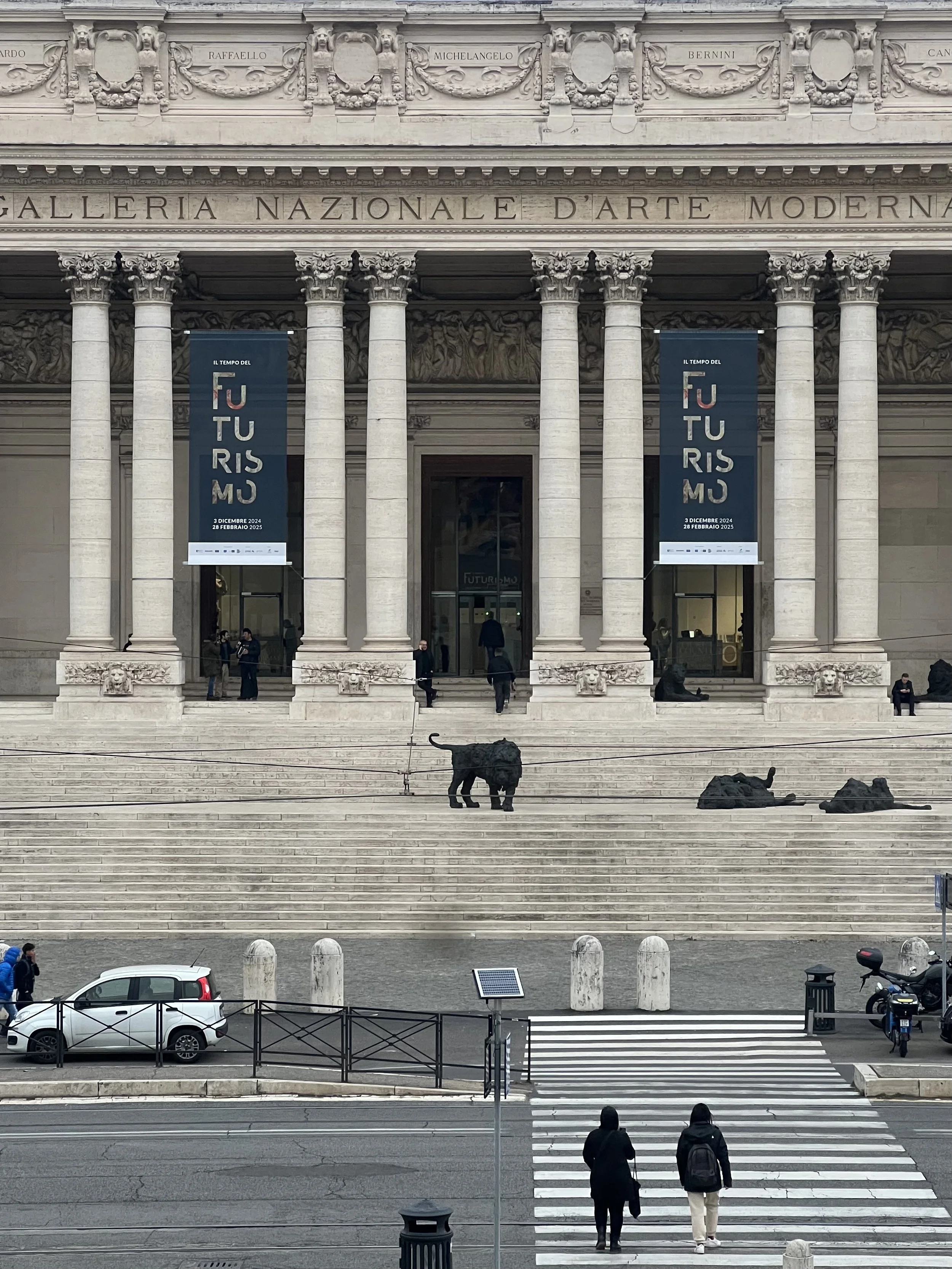
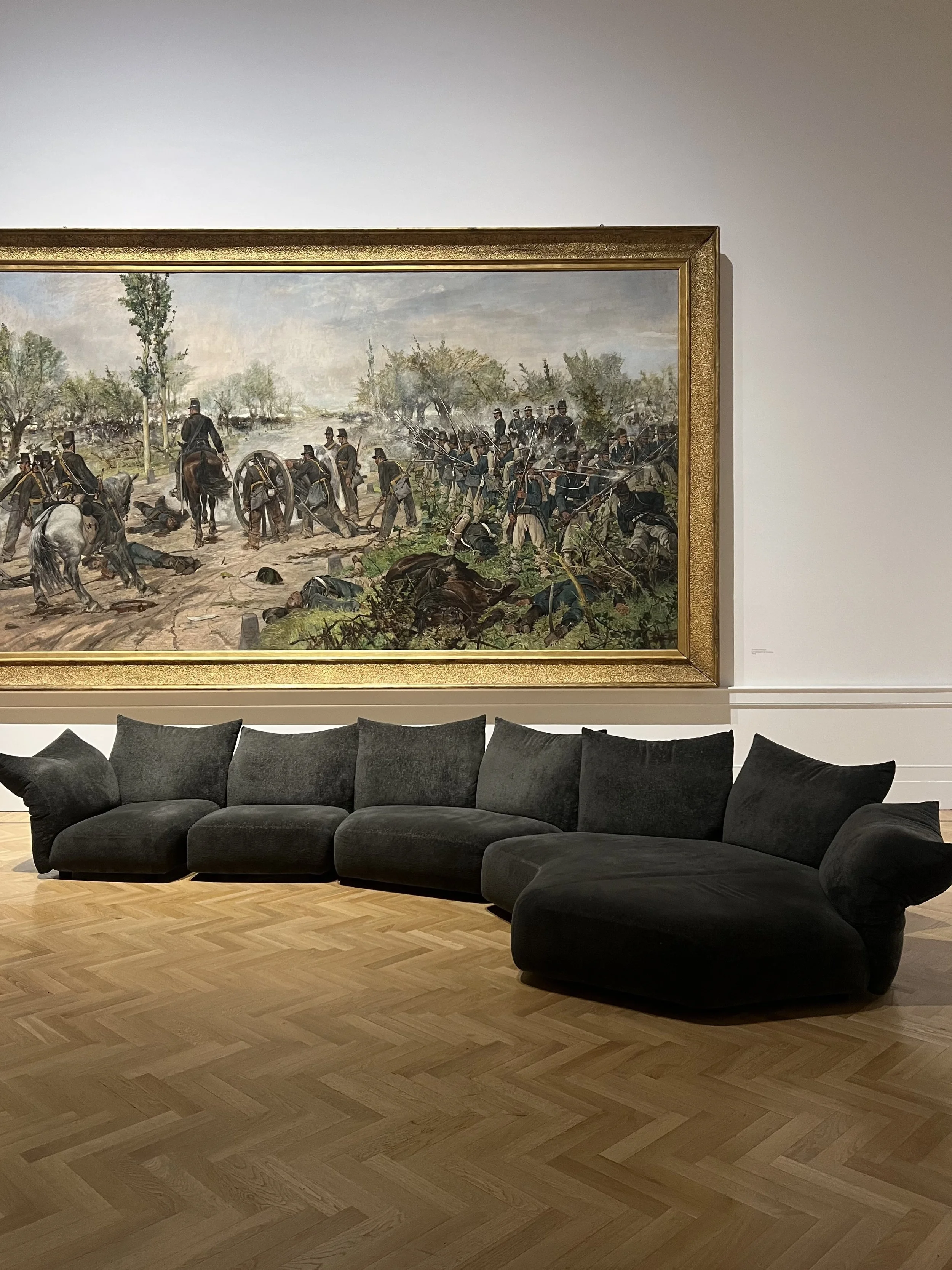
La Galleria Nazionale d’Arte Moderna — Vast and surprising, proving that Rome doesn’t live only in its past.
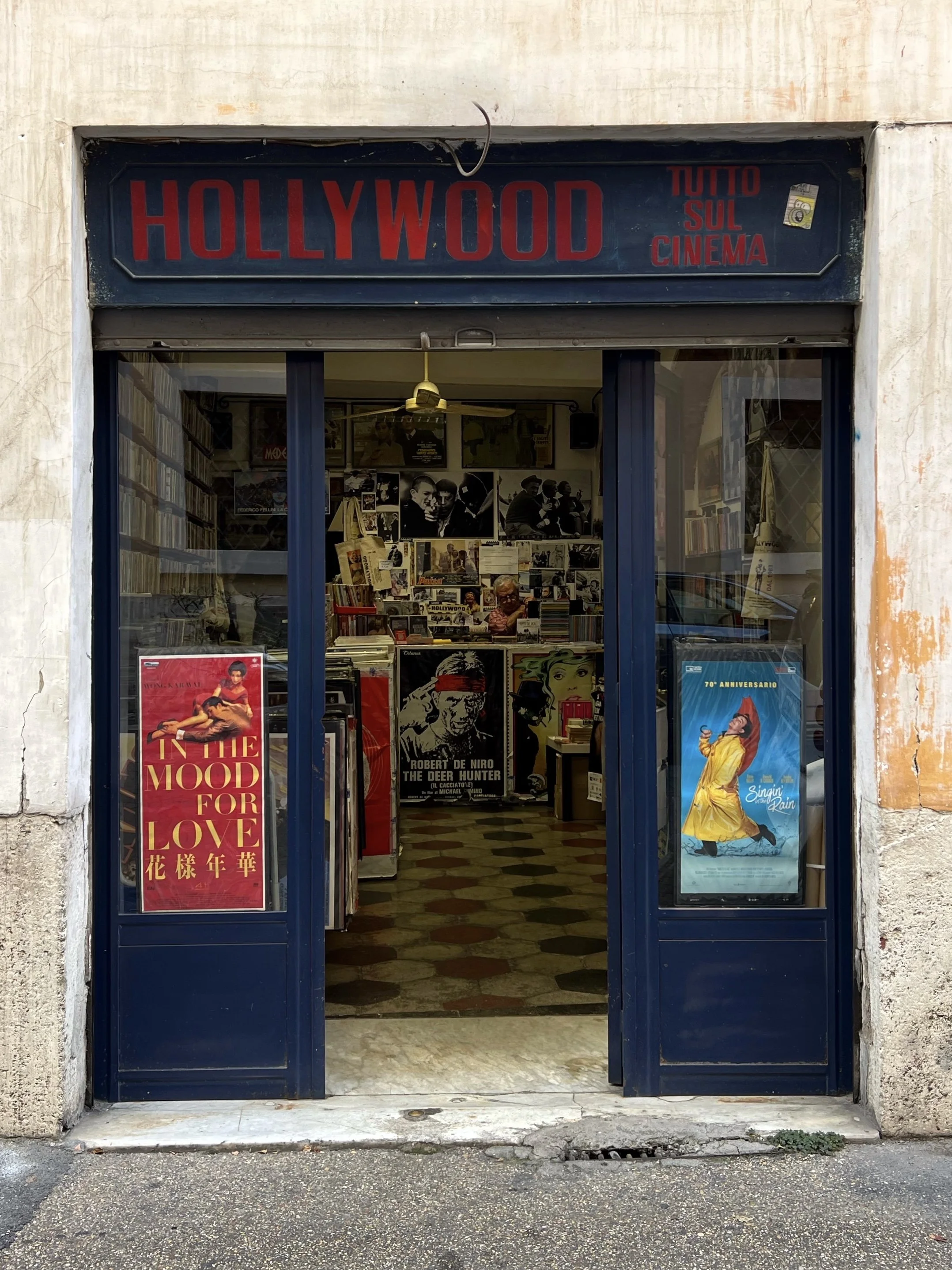
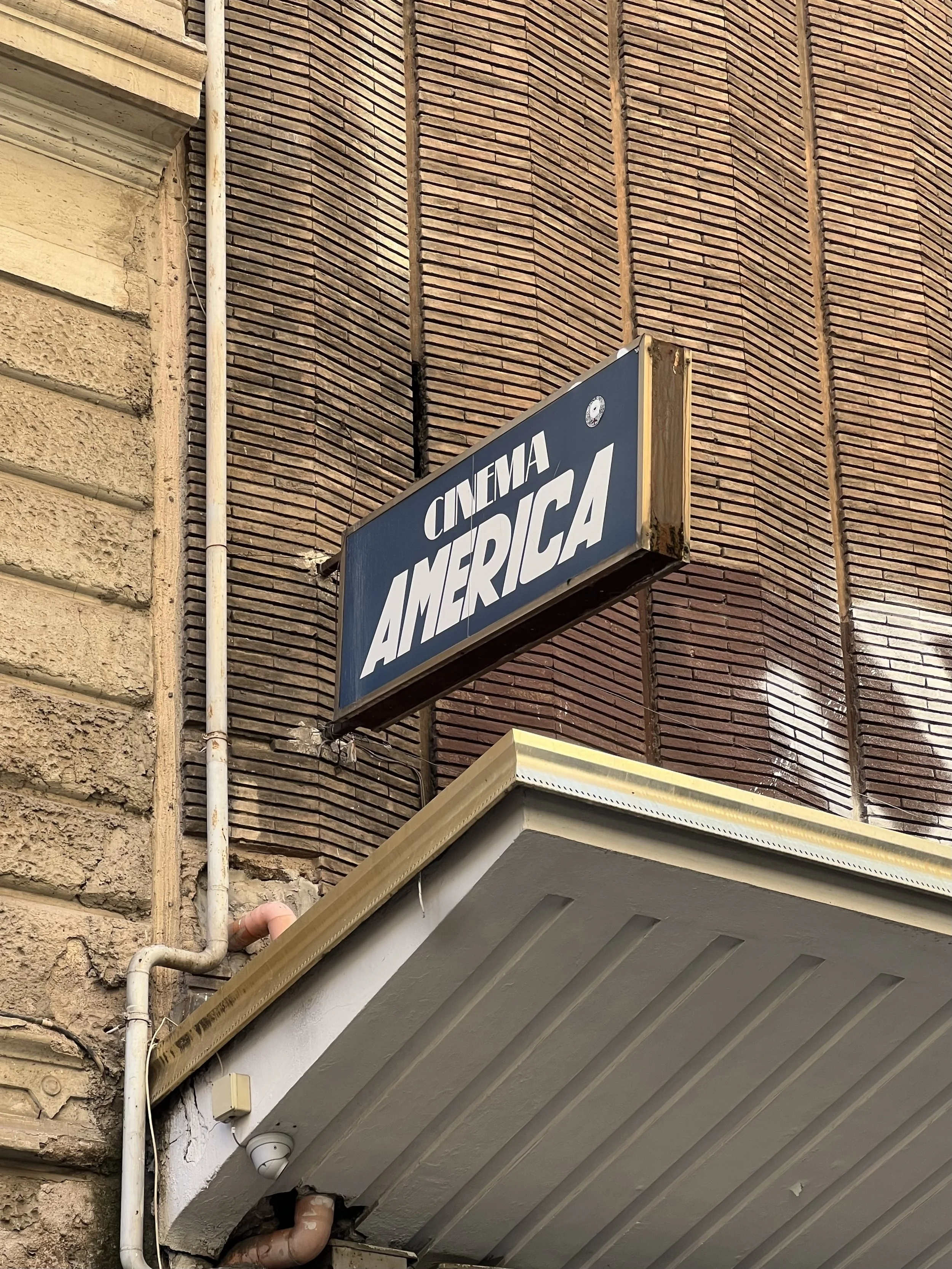
Cinema Troisi — Because in Rome, even going to the movies feels like culture.
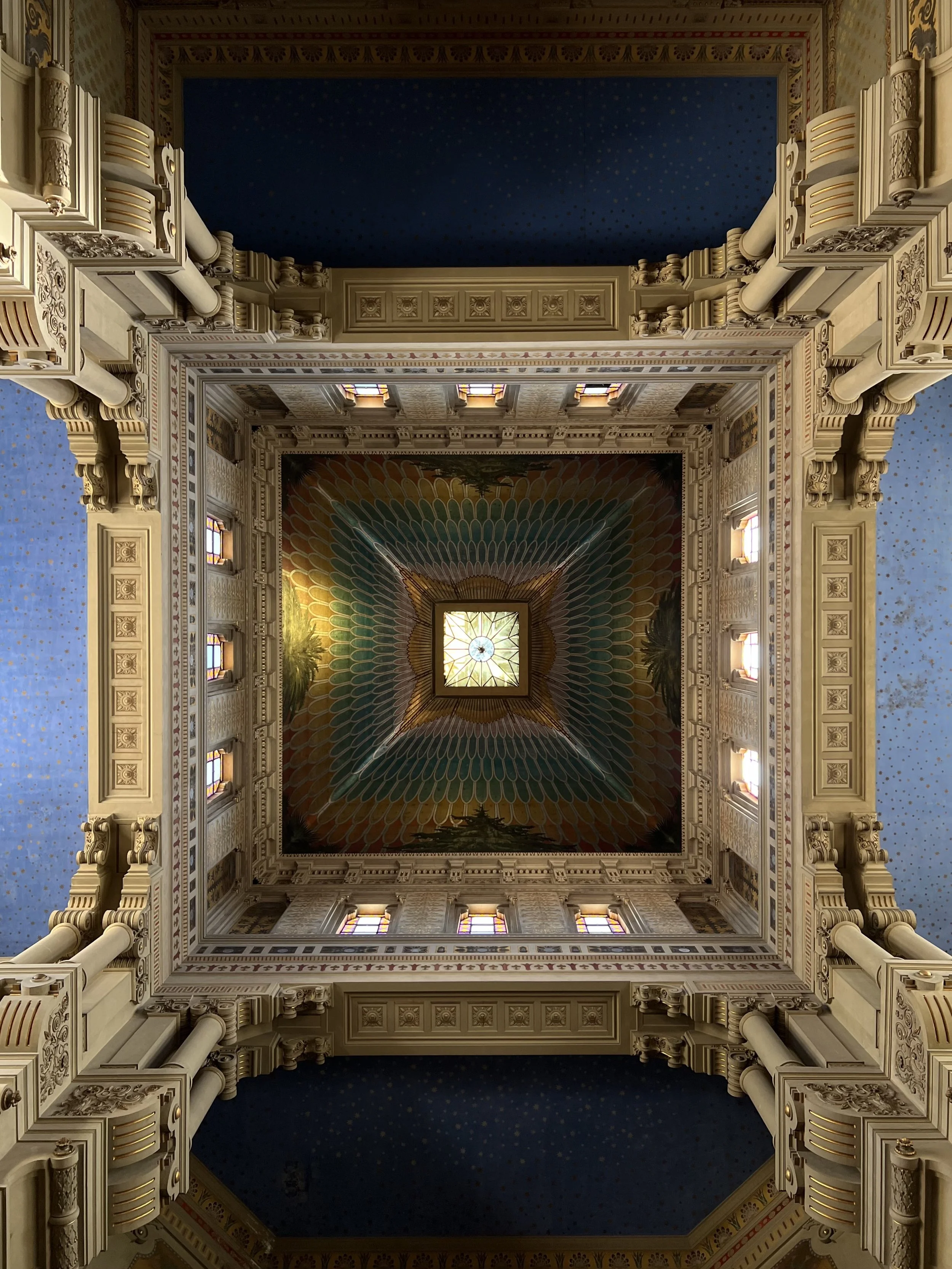
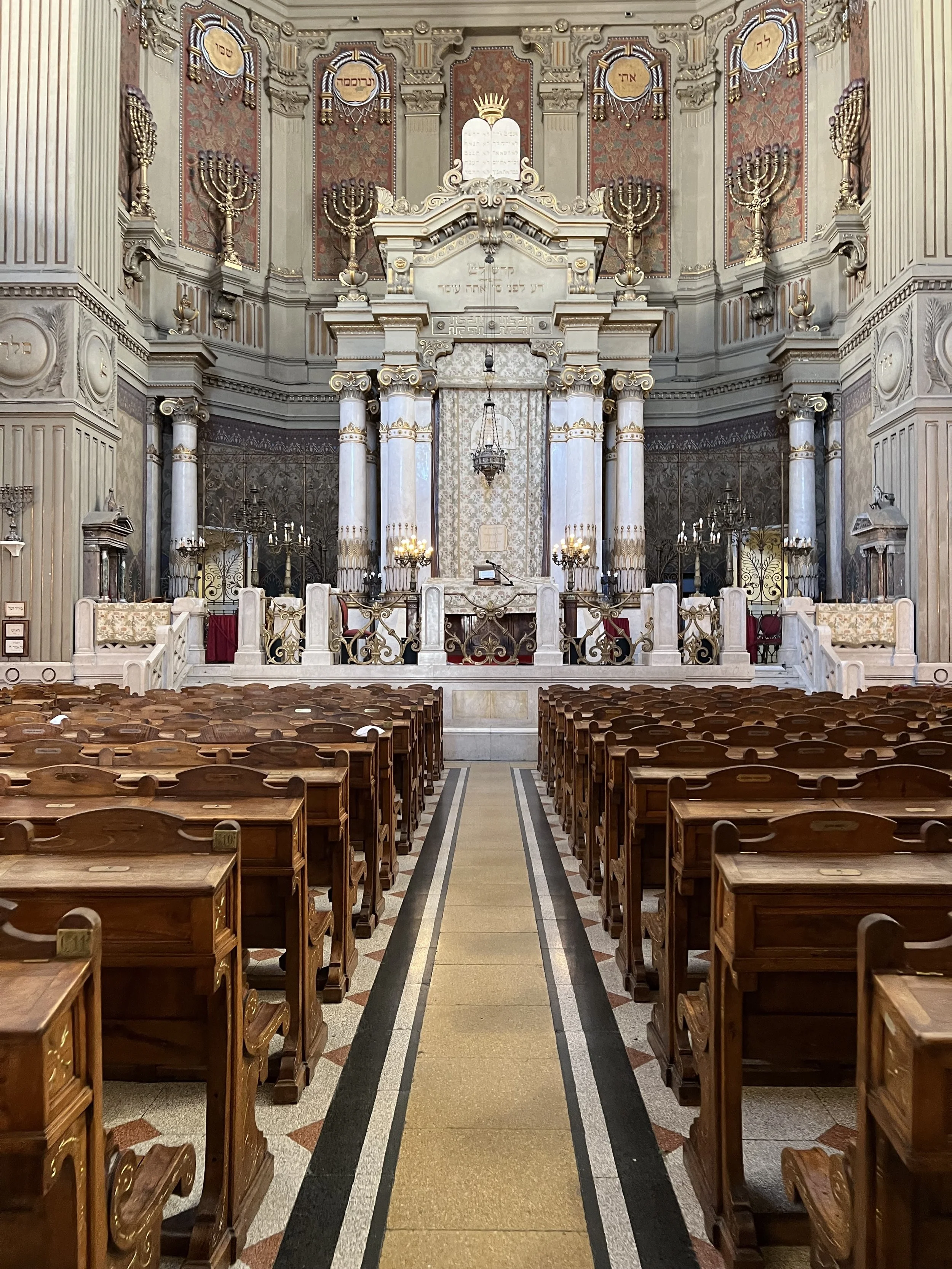
Jewish Museum — Deeply moving, anchored in history and resilience.
Restaurants: Food as Elegance
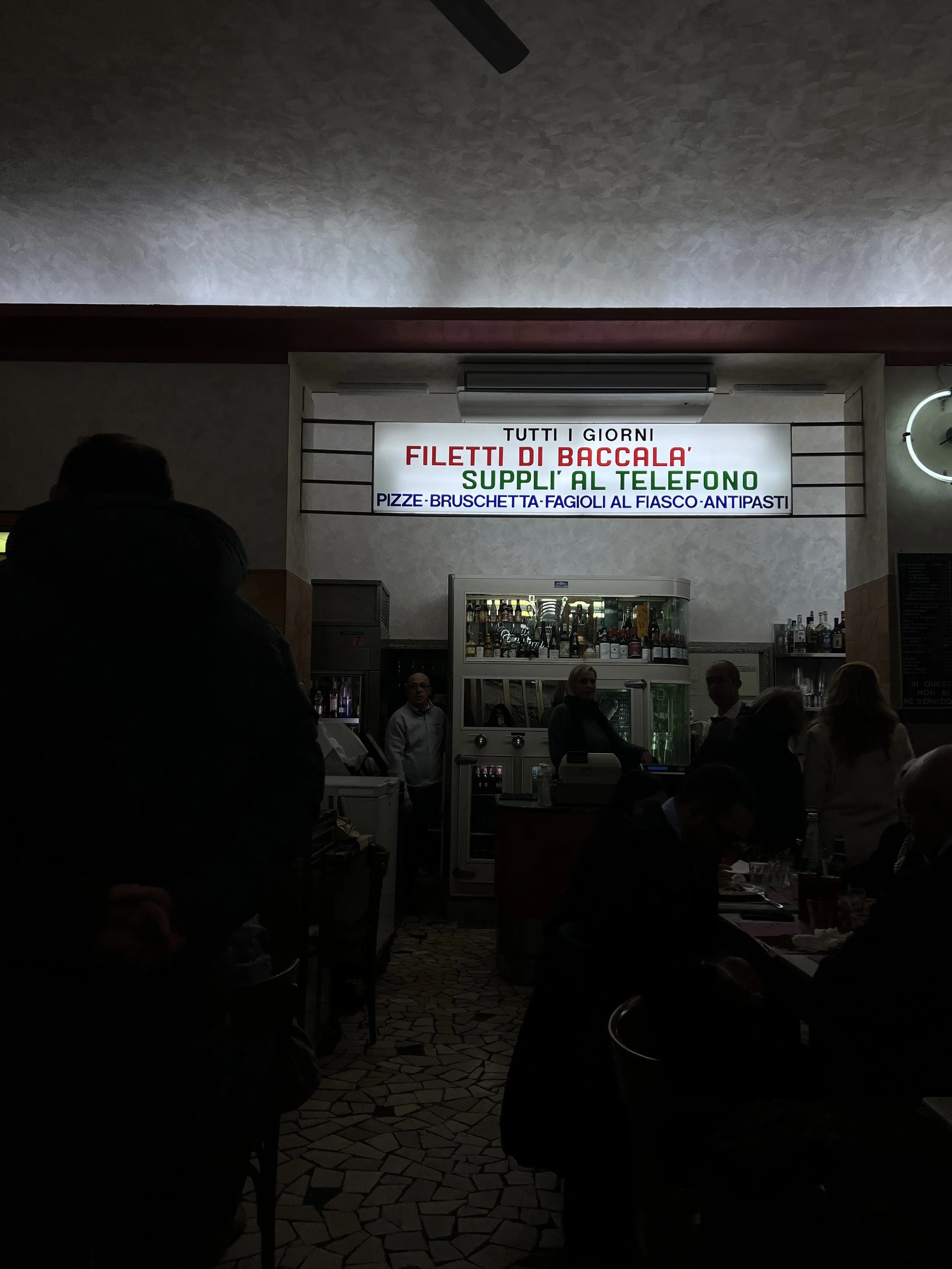
In Rome, eating is not just sustenance; it’s ritual, identity, continuity.
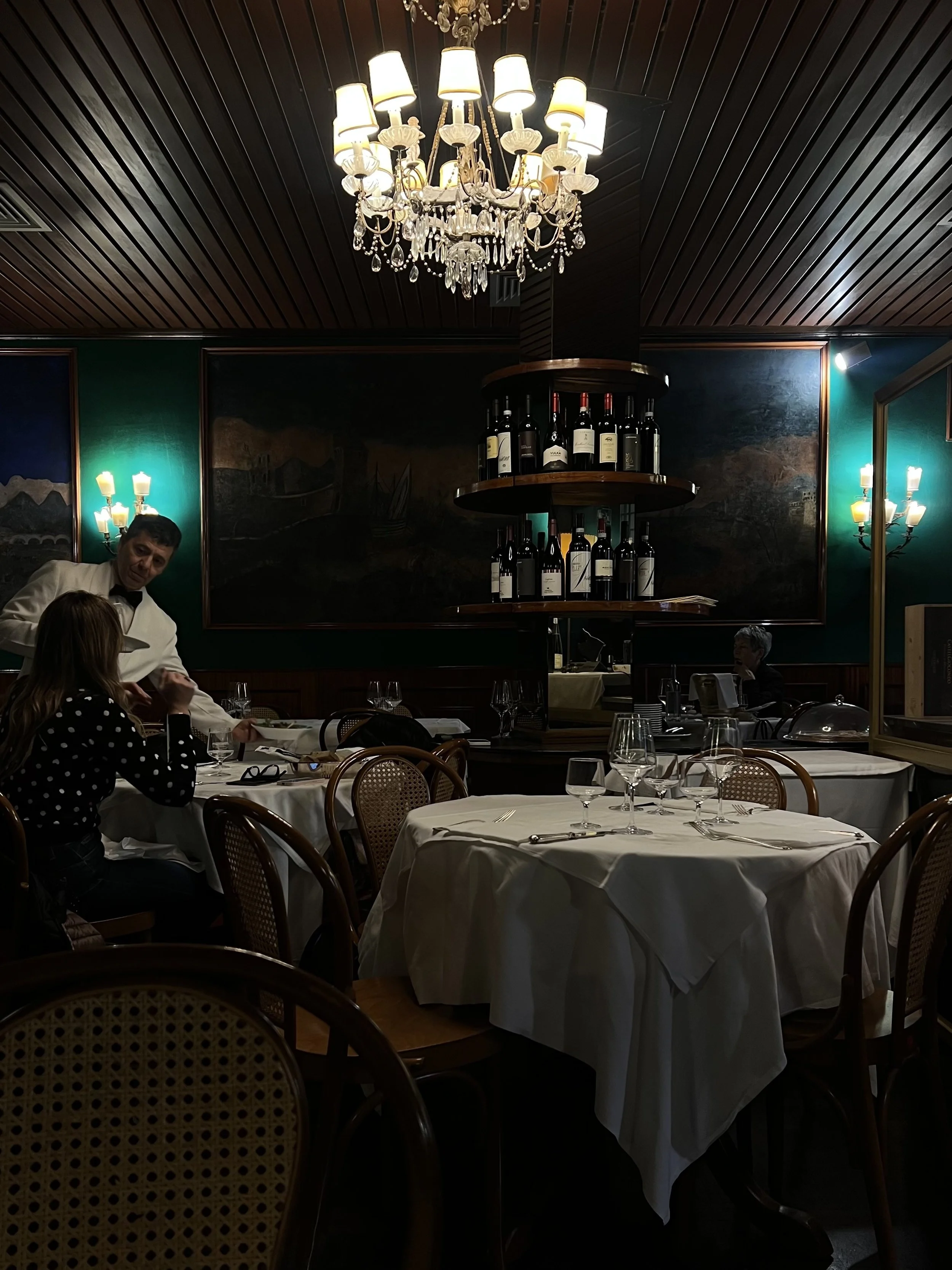
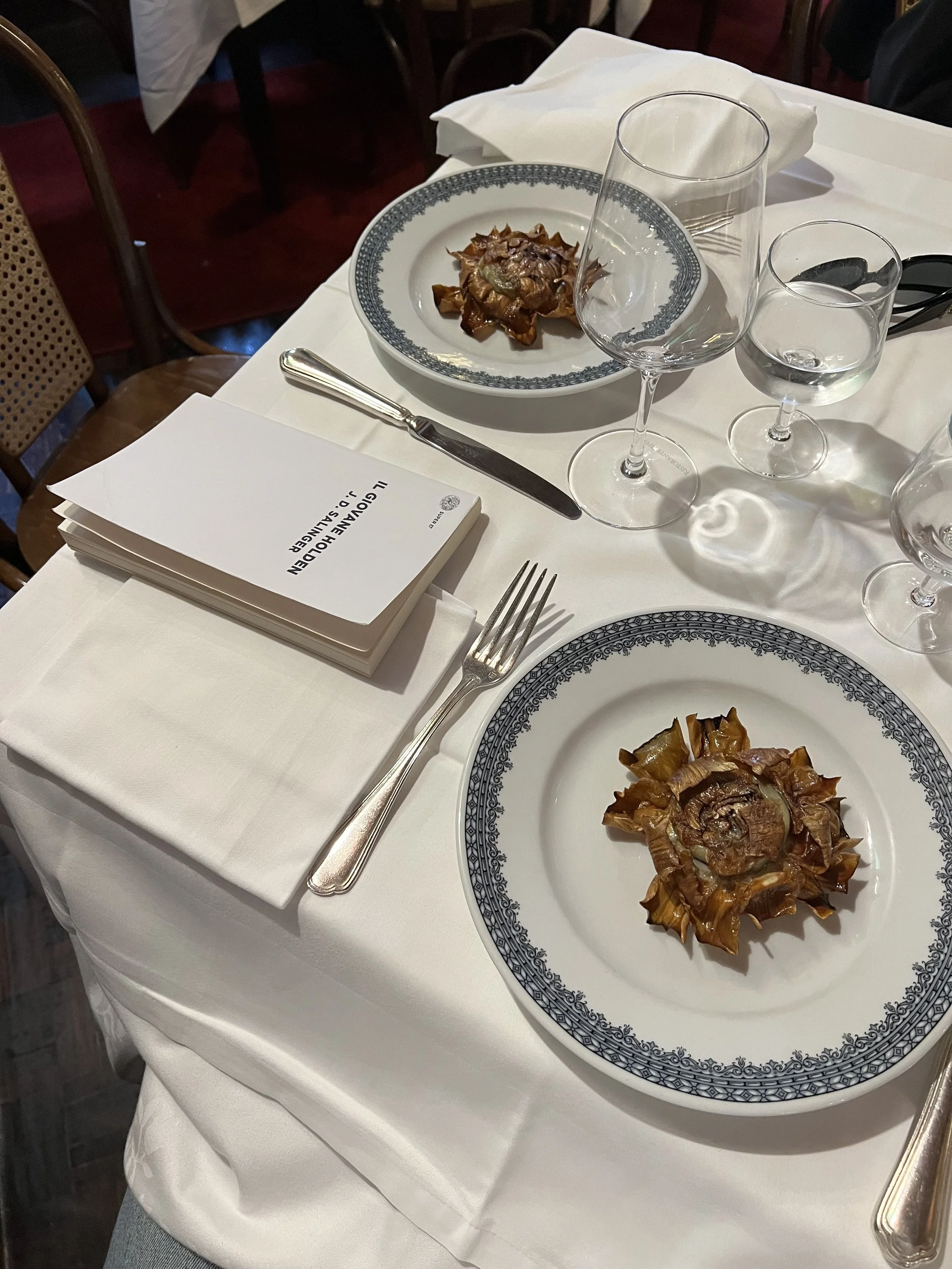
Piperno (Jewish Ghetto) — Old-world service, insane location. Order the Jewish artichokes (obviously), cicoria, carbonara, and their tiramisu — which could solve peace talks if properly deployed.
Hostaria da Pietro — A true Roman gem. Hidden in a tourist-heavy area, but my fancy Roman friends swear by it. Artichokes, a serious wine list, and meat dishes that will make you reconsider vegetarianism.
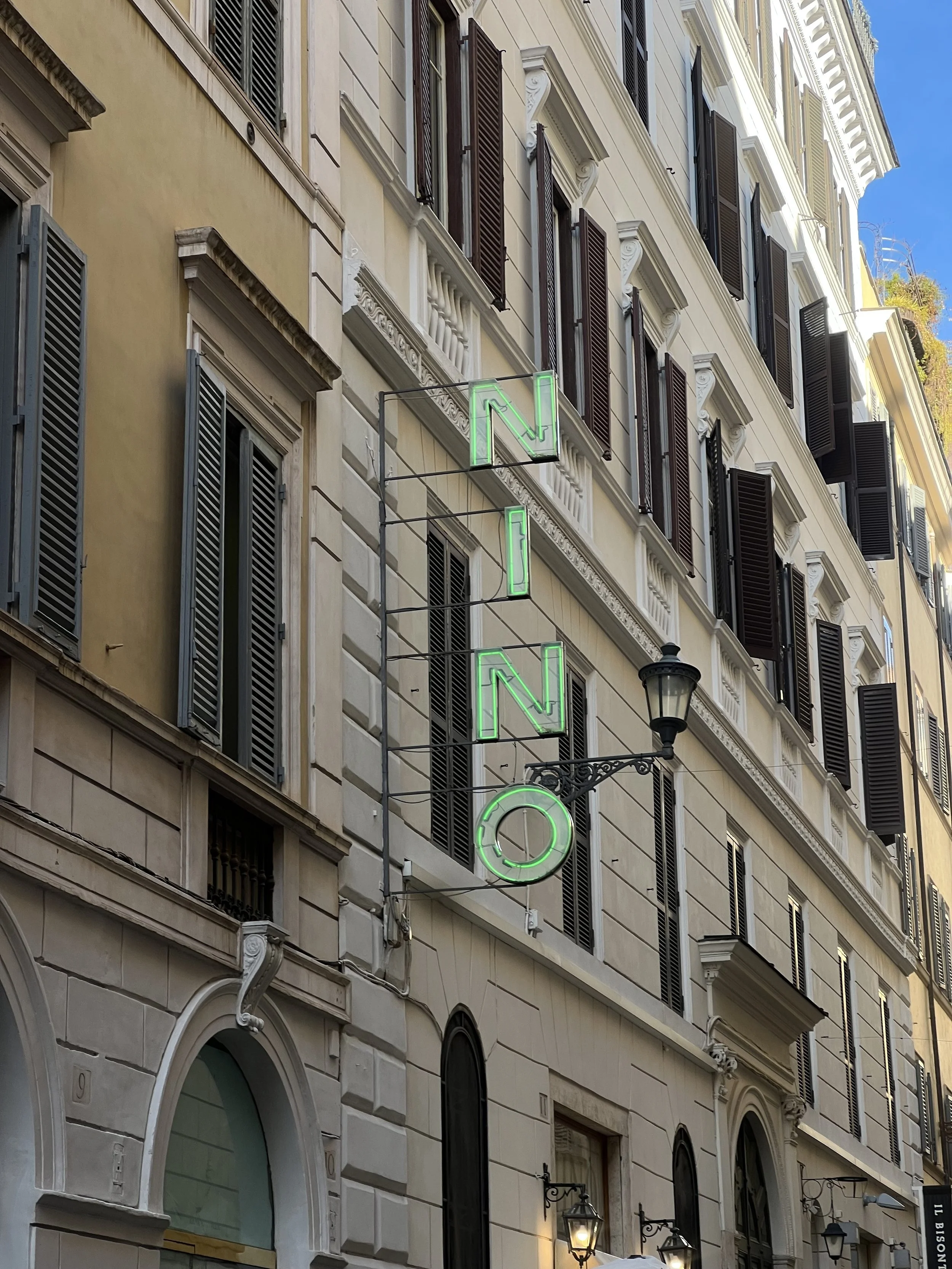
Nino — A lunch institution. Vongole pasta that tastes like the definition of Roman leisure.
La Matriciana — A Roman institution where the house wine does suspiciously heavy lifting. Service, impeccable.
Felice a Testaccio — The most perfect cacio e pepe in Rome. Testaccio is worth the detour for this dish alone.
La Quercia — Lunch on the most beautiful street in Rome. Pasta under wisteria, the kind of setting you only see in films.
Checco er Carettiere — Classic Roman cooking, no compromise, just excellence.
Ai Marmi — The best pizza in Rome, fast and thin, served with the hum of a city that never quiets.
Trattoria al Moro — A Roman institution, where the food feels both timeless and inevitable.
Cafés & Pastries: Mornings in Rome
Rome is best in the morning, with coffee strong enough to be an introduction and pastries that count as devotion.
Boccione — Jewish-Roman pastries, especially the torta ricotta e visciole. Divine.
Ciampini — Coffee, aperitivo, people-watching. A Roman stage set.
Pasticceria Mariani — My favorite coffee spot in the city. Simple.
Biscottificio Artigiano Innocenti — Biscuits made properly.
Regoli Pasticceria — Cannoli. That’s the statement.
Bars: Evenings as Cinema
In Rome, evenings don’t end; they fade like film scenes.
Casa Monti Rooftop — Stylish, panoramic, a little too cool — but the view makes up for it.
Il Bar della Musa — Dramatic and moody, a setting that belongs in Fellini.
La Mescita (Monteverde & Garbatella) — Local wine bars with insane selections. Where real Romans actually go.
Stravinskiy Bar — Hotel cocktails done properly, served with a side of old-school elegance.
Hotels: Where Rome Sleeps in Style
Classic Grandeur (Luxury Defined)
Hotel Hassler — The summit of Roman luxury, perched at the top of the Spanish Steps. Pure Dolce Vita.
Hotel Locarno — Vintage glamour and cinematic aura. A classic in every sense.
Design & Contemporary Flair
Casa Monti — Curated, urban, personal. Feels like you’re part of the city.
Rhinoceros Rome — Design-driven, bold, and entirely modern — a counterpoint to the ruins outside.
Functional with a Story
Hotel Mediterraneo — Central, practical, with traces of Art Deco if you know where to look.
Final Word
Rome is La Dolce Vita. Not in postcards or movies, but in real time: in long lunches under wisteria, in walks through EUR’s rationalist boulevards, in sunsets from Janiculum Hill that no camera could possibly deserve.
Other cities posture. Florence preens in its symmetry, Milan flexes its efficiency, Naples insists on its contradictions. Rome doesn’t need to insist on anything. It is coherence, abundance, elegance. Luxury here isn’t manufactured — it’s atmospheric, inevitable, already in the air you breathe.
Rome doesn’t ask for your love; it assumes it. It doesn’t need to prove itself eternal; it simply is. The only city arrogant enough to call itself eternal, and the only one that makes arrogance feel like destiny.
But living here is different. Rome doesn’t always function - it forgets your deadlines, it tangles you in bureaucracy, it refuses to be practical. I was not constantly exposed to the dreamy side of Rome. And yet, Rome still is a dream. It has given me the space to shape my daily life, which I treat like my own temple and religion.
And that’s why Rome is home. Not because it is perfect, but because it is alive - both in its grandeur and in its smallest gestures.