Tbilisi
A Curated Place of Belonging
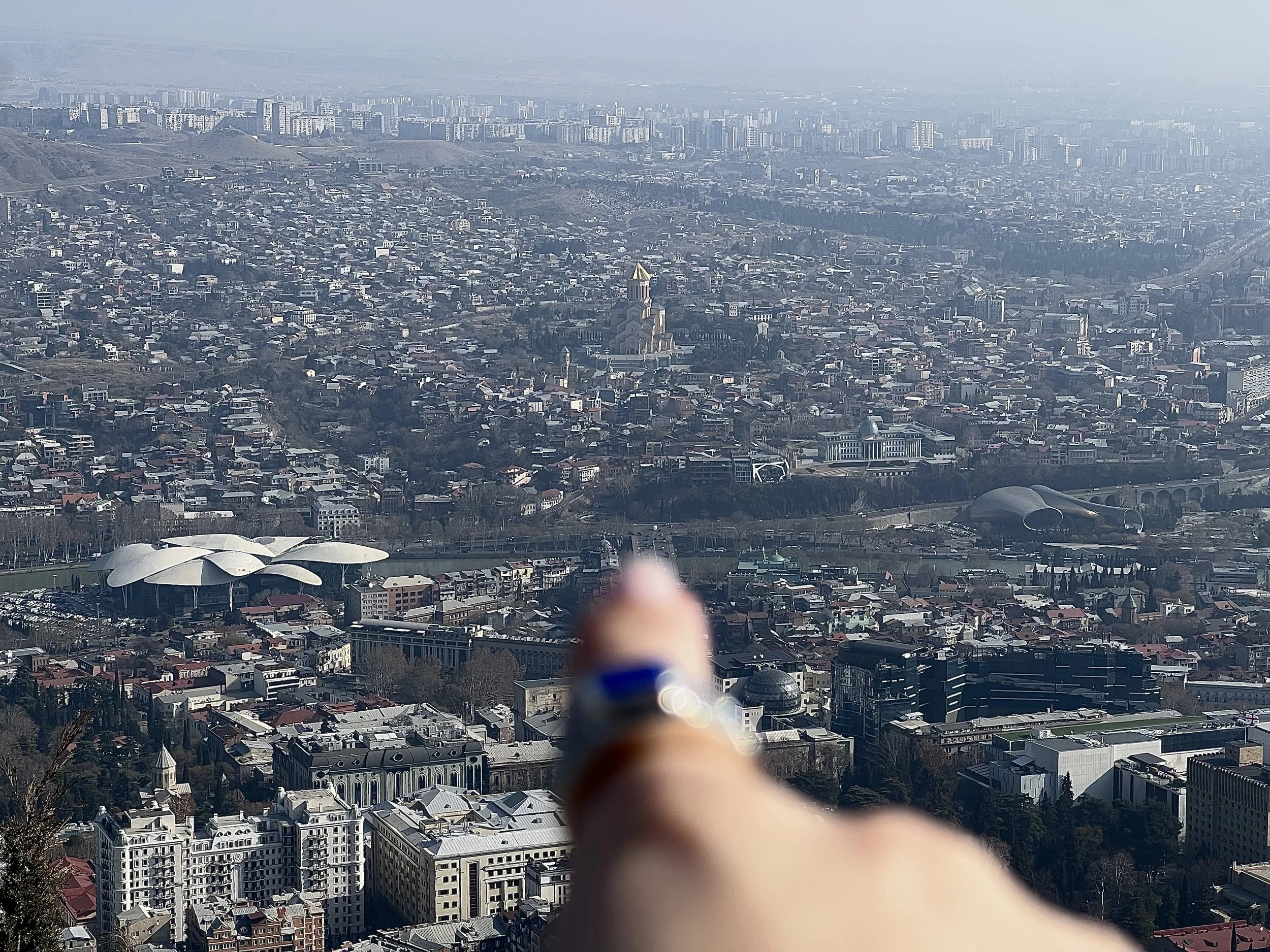
Tbilisi is not a city you consume, it’s a city that consumes you. Slowly, insistently, with contradictions too raw to be staged. It is Orthodox domes in gold and Soviet concrete in stacked cubes. It is jazz spilling from courtyards and polyphonic choirs rehearsing behind heavy doors. It is a feast that never ends, and a silence that suddenly opens in front of a river bend.
Georgians are strong-minded, educated, endlessly curious. Their culture is as complex as their wine, as disciplined as their dances, as unshakable as their mountains. Watch a performance by the Sukhishvili National Ballet and you’ll understand: men leap like they’re defying gravity, women glide like icons in frescoes. It is not choreography, it is identity, pride in motion. This is Georgia distilled: passion, precision, audacity.
Cinema tells the same story. Watch And Then We Danced by Levan Akin, and you’ll see how identity collides with tradition in the training halls of Tbilisi. Watch Pirosmani (1969), and you’ll understand the soul of Georgia’s most beloved painter, whose naive figures still hang in the National Gallery. Watch Sapovnela by Otar Iosseliani, and you’ll catch Georgia’s absurdist humor and melancholy tenderness. These films are not mere preparation; they are keys.
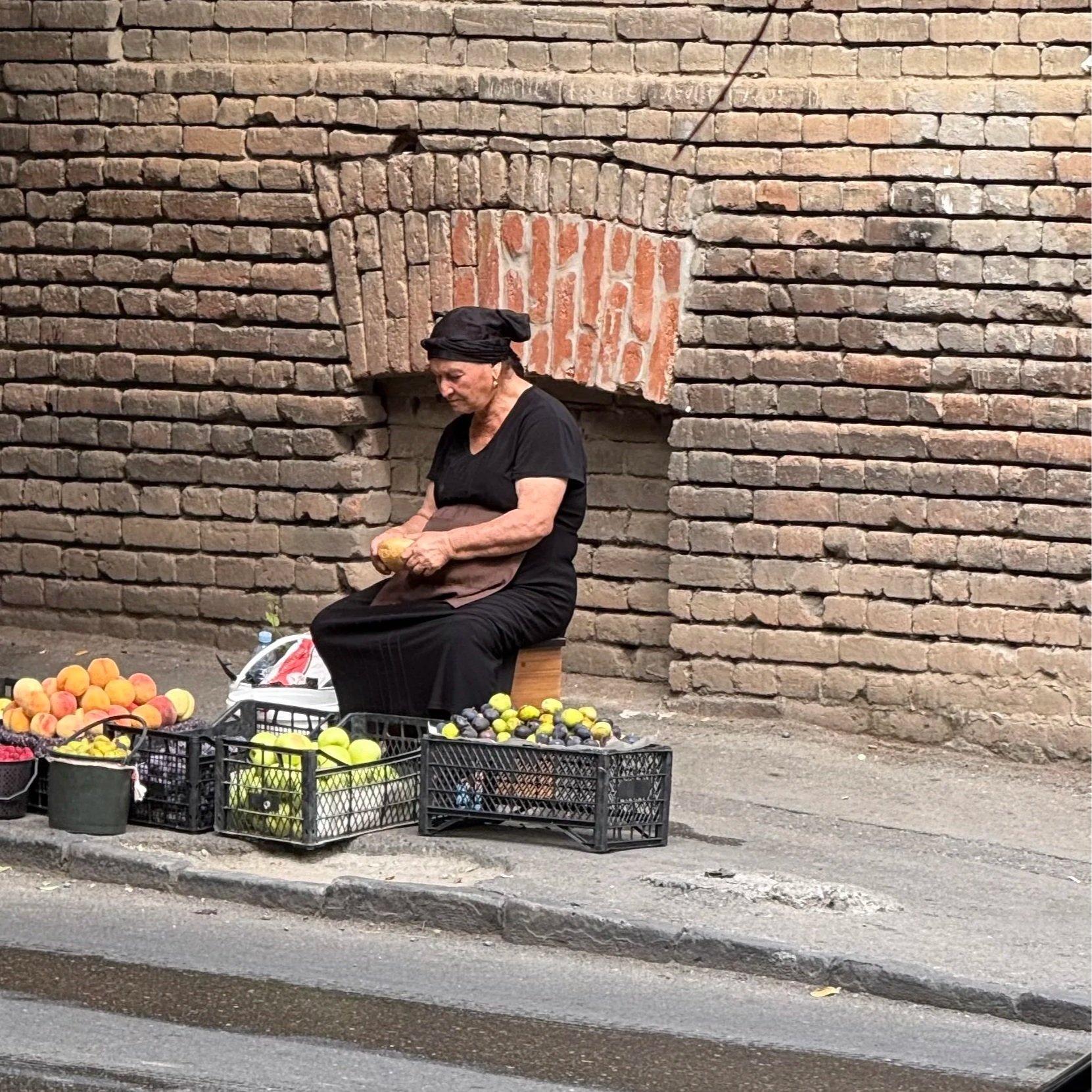
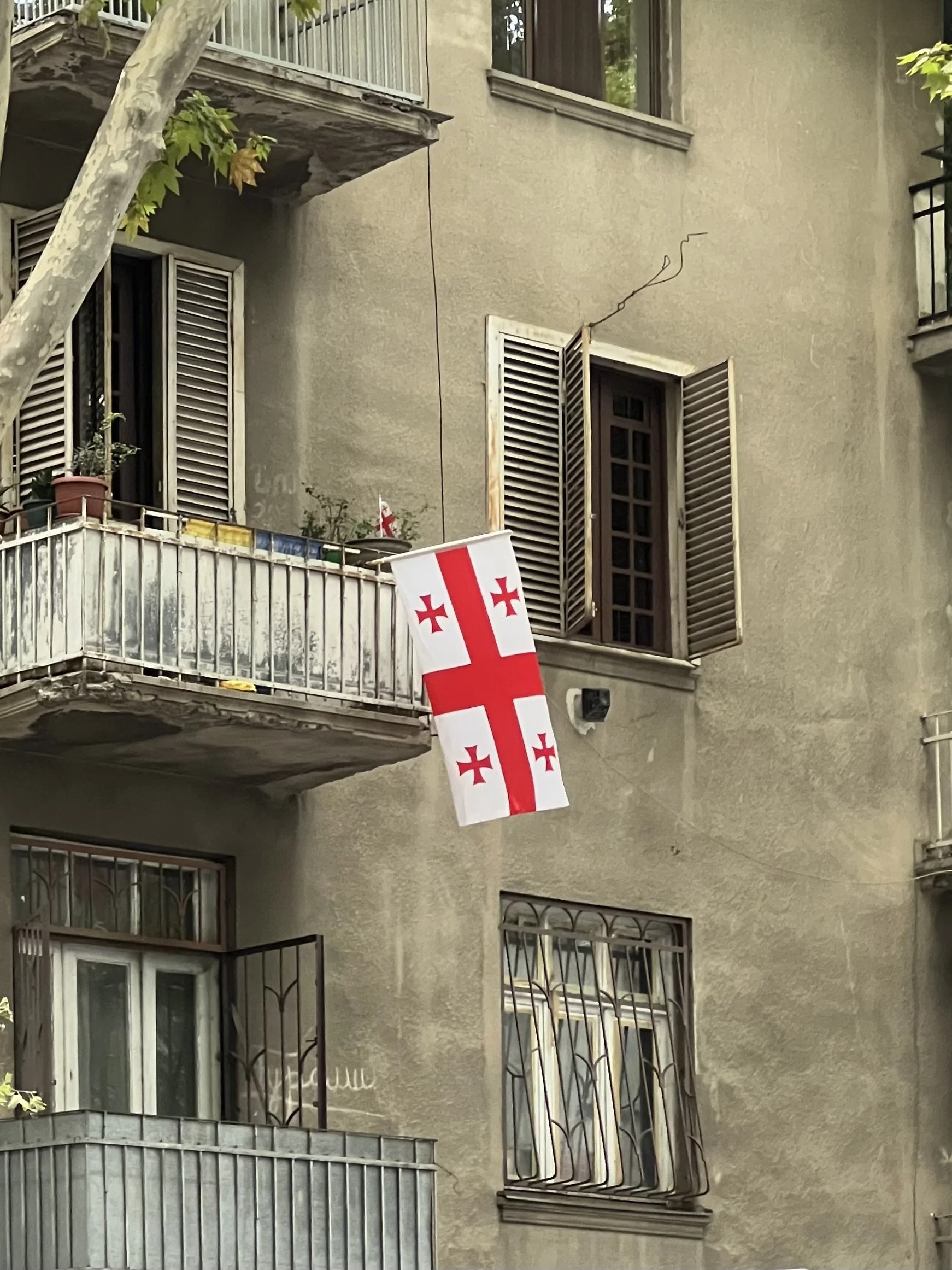
Tbilisi thrives in layers. It is old town balconies in filigree iron, the brutalist grandeur of the Bank of Georgia headquarters, wine bars tucked in side streets, high-fashion boutiques rivaling most fashion capitals, and khinkali steam fogging windows in winter. It is not a city of symmetry or polish — it is a city of emotional resonance, lived with faces that wear their favorite expressions so deeply they resemble paintings.




Hotels: Sleeping in Style
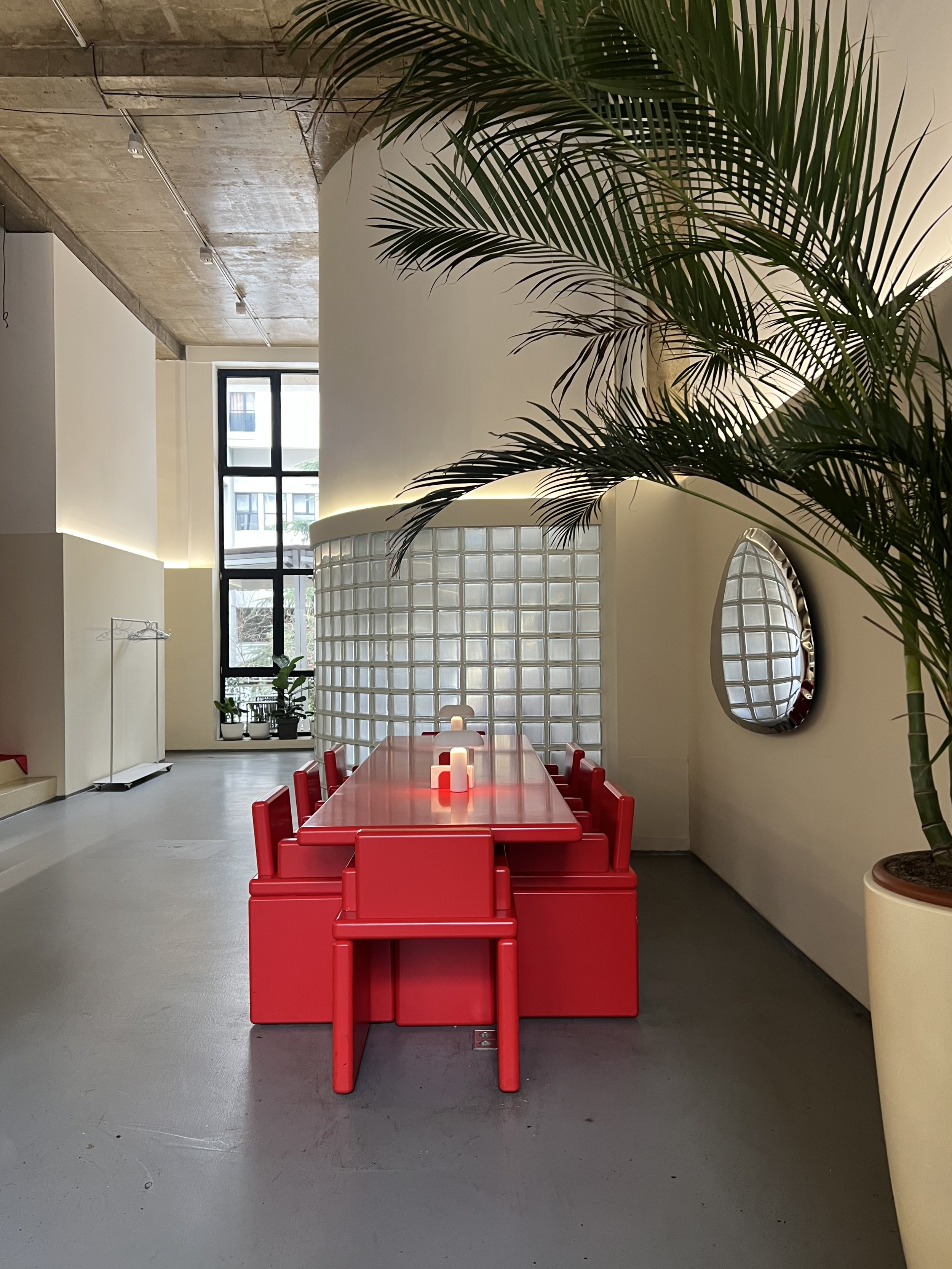
Hotel Stamba — The undisputed icon. Once a Soviet printing house, now an icon of post-industrial design. Exposed concrete, high ceilings, and warm, tactile details: velvet, brass, wood. Every room feels like an art installation, but none more than the Aviator Signature Room, with soaring space, curated furniture, and windows that frame the city as if it were part of the décor. Luxury here is not polished minimalism — it is maximalist imagination, every corner designed to provoke delight.
Telegraph Hotel — Pure luxury in the heart of Rustaveli. Sleek marble, large suites, world-class service. If Stamba is industrial glamour, Telegraph is sovereign elegance — unapologetically five-star.
Hotel Afisha — A five-star retreat that doesn’t scream its status. Nicely decorated rooms, refined spa facilities, and prices that feel unusually kind for the quality. The interiors balance modernity with restraint, offering a cool, calming atmosphere with a cinematic twist.
Artisan Design Hotel — Tucked in a convenient location, this hotel balances boutique charm with sharp design. Clean lines, playful interiors, and a sense of intimacy that larger hotels can’t replicate.
Bazaar Boutique Hotel — Close to the Old Town, its interiors are lively and eclectic, drawing on Georgian colors and textures. It’s fun, warm, less polished but deeply atmospheric.
Note: Rooms Hotel remains popular among international visitors, but compared to these options, it feels like the obvious choice rather than the best one. If you’re going to splurge, splurge at Stamba.
Restaurants: Food as Ritual
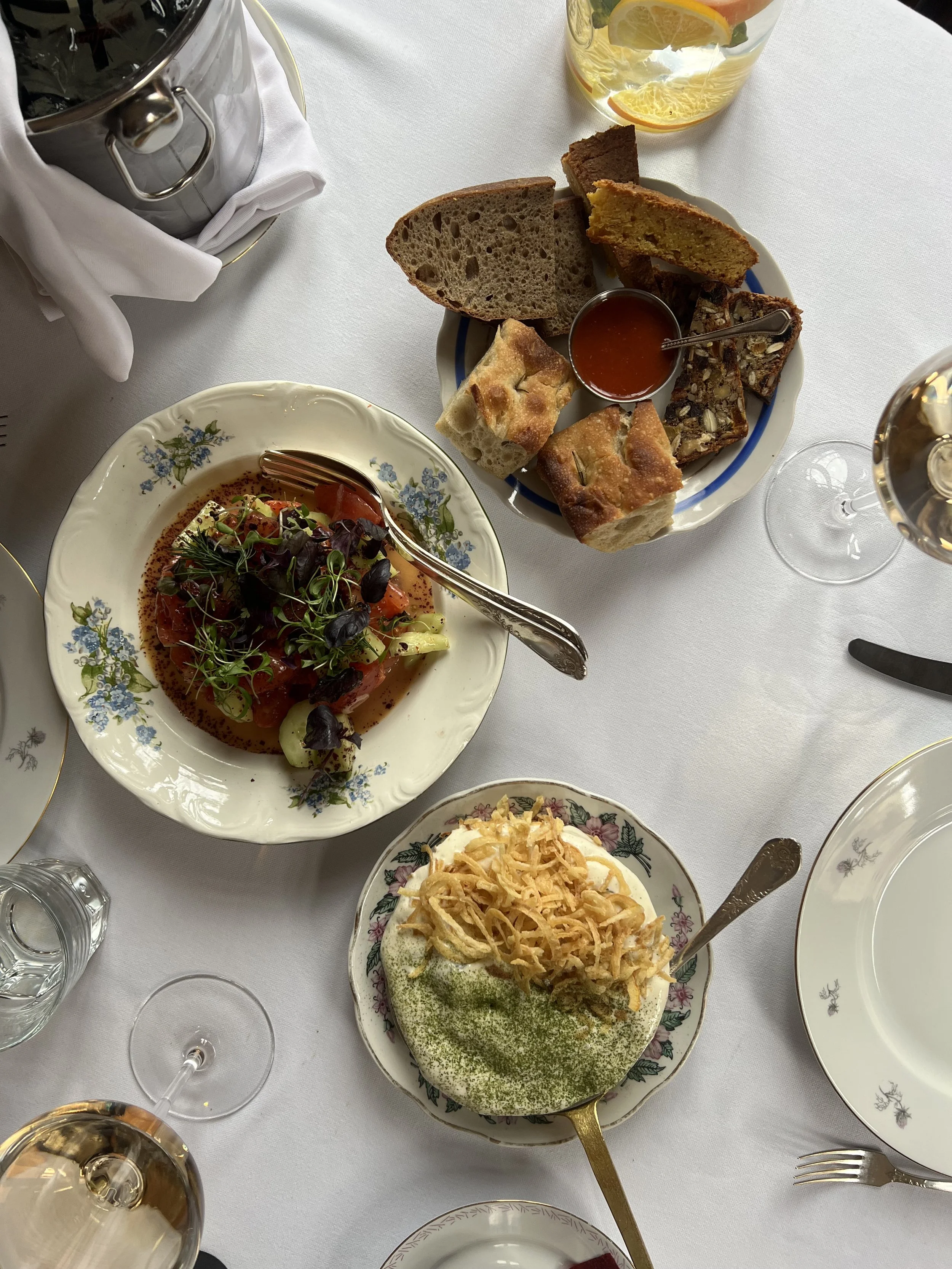
In Georgia, meals are not eaten, they are staged. A supra (traditional feast) is choreography — wine, toasts, polyphony, laughter. In Tbilisi’s restaurants, you glimpse that same devotion.
Barbarestan — My favorite restaurant in the city, and perhaps in the region. Based on recipes from Barbare Jorjadze’s 19th-century cookbook, every dish feels historic yet new. The tutmaji soup is unforgettable: a rich, almost haunting blend of flavors, served with ceremony. Service here is art — professional butlers as waiters, attentive but never intrusive.
Otsy — A restaurant with a garden that charms in summer, but the first-floor dining room is where the true atmosphere lies: wooden floors, warm lighting, intimacy. Try the cheesy mushrooms with fried onions — humble ingredients elevated.
Cafe Daphna — The best khinkali in Tbilisi. Doughy, juicy, peppery perfection. A test of both craftsmanship and appetite.
Keto & Koté — Set in a hidden villa above the city, with balconies overlooking Tbilisi’s rooftops. The setting is intimate, romantic, and slightly theatrical, with food that matches the mood: traditional but refined.
Brod Restaurant — New to the scene, with young energy and playful plates. A signpost for where Georgian dining is headed.
Cafés & Bars: Daily Rituals
Tbilisi’s social life is written in wine and coffee.
Cafe Stamba — The social epicenter of the city. Breakfast, coffee, cocktails — everything happens here. It is café, bar, living room, all at once.
Noto — Perhaps my favorite bar. Small, intimate, with Italian design influences. Order a negroni; it’s flawless.
8000 Vintages — The definitive wine destination in the city. Multiple locations, but the Irakli Abashidze branch is the one to visit. Here, you’ll get a concise but precise introduction to Georgian wine — from amber qvevri wines to bold Saperavis. Interiors are modern, service is knowledgeable, and tastings feel like conversations, not lectures.
Snobs — Hidden in Sololaki, cool, irreverent, and atmospheric. A place where you feel lucky just to be part of the atmosphere.
Chico’s Tbilisi — Day-to-night café and bar, outside the tourist zones, with a fun interior.
Shopping:
Boygar’s — Possibly the best high-end fashion selection in the region. The service is impeccable: staff who are not just sellers but editors, deeply knowledgeable about fashion and trends. Walking in feels like stepping into a fashion magazine. Mytheresa Munich could take notes.
New Trends — Carries global designers like Comme des Garçons, Mugler, and JW Anderson. Not as curated as Boygar’s, but sharp discounts make it worth the visit.
More is Love — Focused on Georgian brands, housed in a stylish location.
IERI Store — A carefully designed interior and a curated mix of independent Georgian designers.
Dalood — Georgian designer specializing in elegant, occasion-ready dresses.
Le Chic Radical — Silver jewelry, handcrafted by Georgian artisans, bold and meaningful.
They Said Books — A bookstore so curated it feels more like a concept store for ideas.
Sights: Faith, Art, Memory
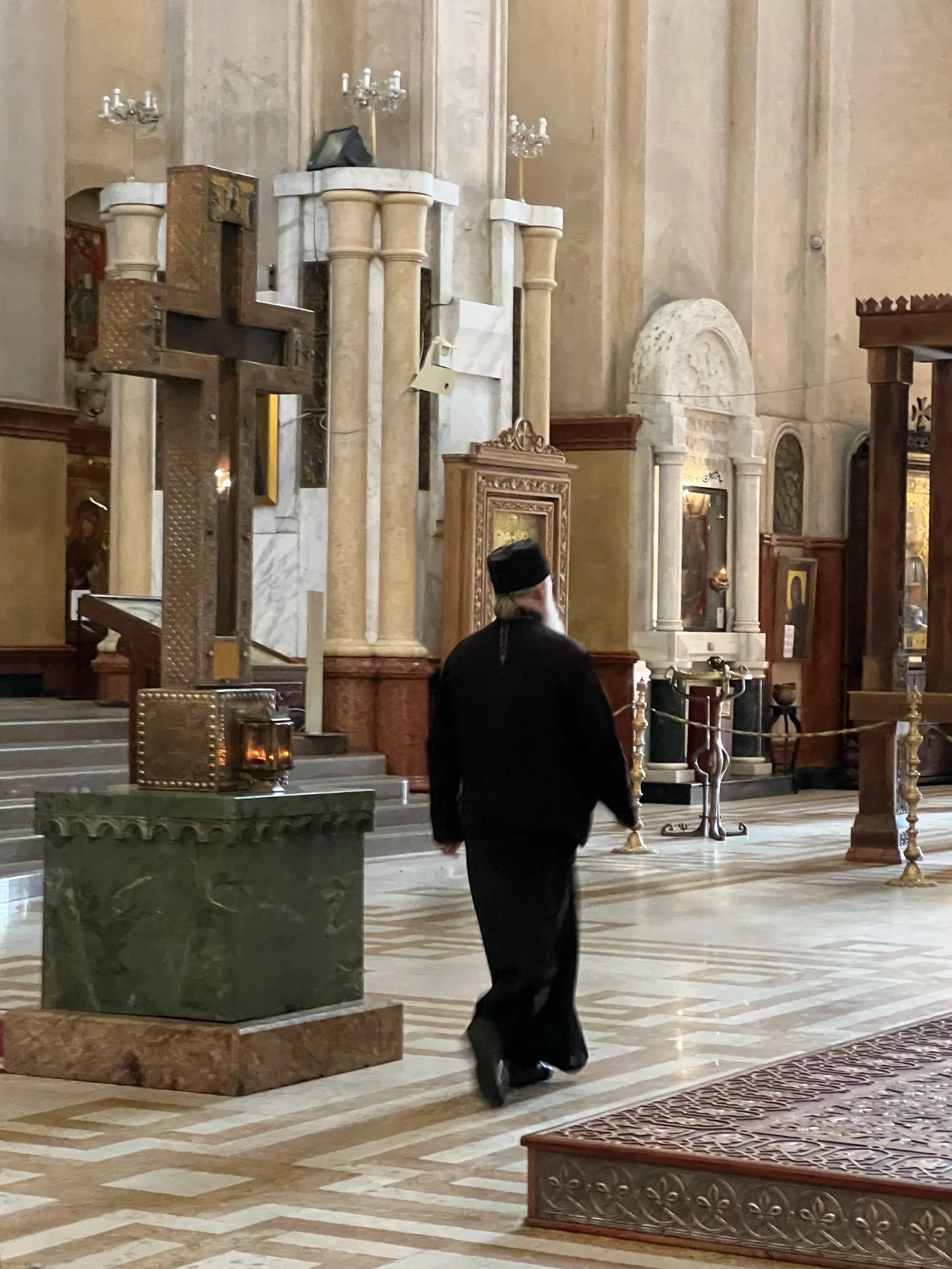
Holy Trinity Cathedral (Sameba) — Monumental, dazzling, overwhelming. Standing inside is to feel scale become spiritual.
Georgian Museum of Fine Arts — A collection that astonishes: only Georgian painters, each canvas revealing a different facet of national identity. Look for Tamaz Khutsishvili’s portraits of women - unforgettable.
National Gallery — The home of Niko Pirosmani’s paintings, Georgia’s most iconic painter. To understand him fully, watch Pirosmani (1969).
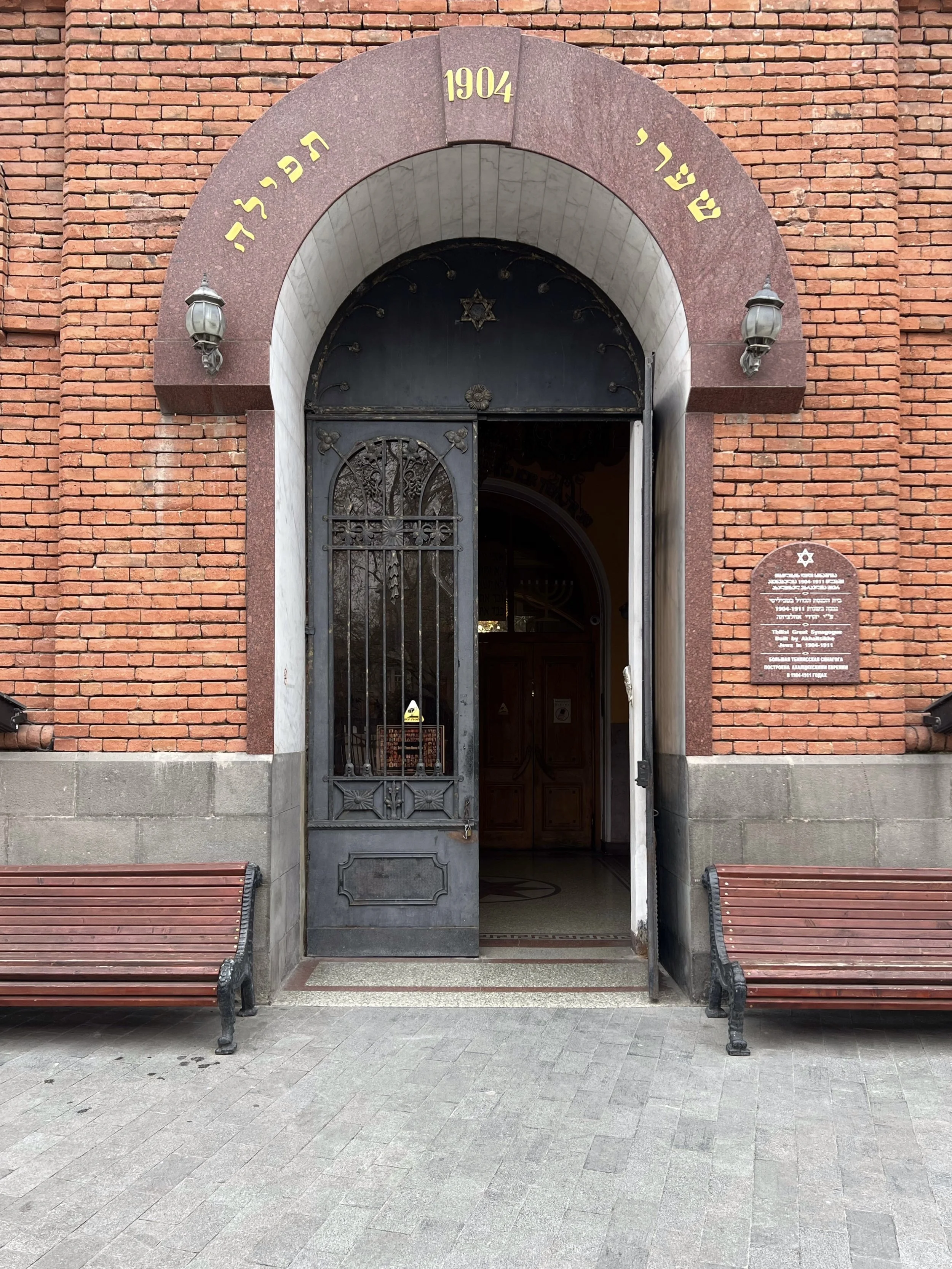
Great Synagogue of Tbilisi — Proof of the city’s interwoven faiths.
Zion Cathedral —Intimate and moving.
Anchiskhati Basilica — A 6th-century jewel, humbling in its simplicity.
Kartlis Deda — The Mother of the Nation, towering over the city with a sword in one hand and wine in the other — maternal welcome and martial defense.
Architecture: Experiments in Form
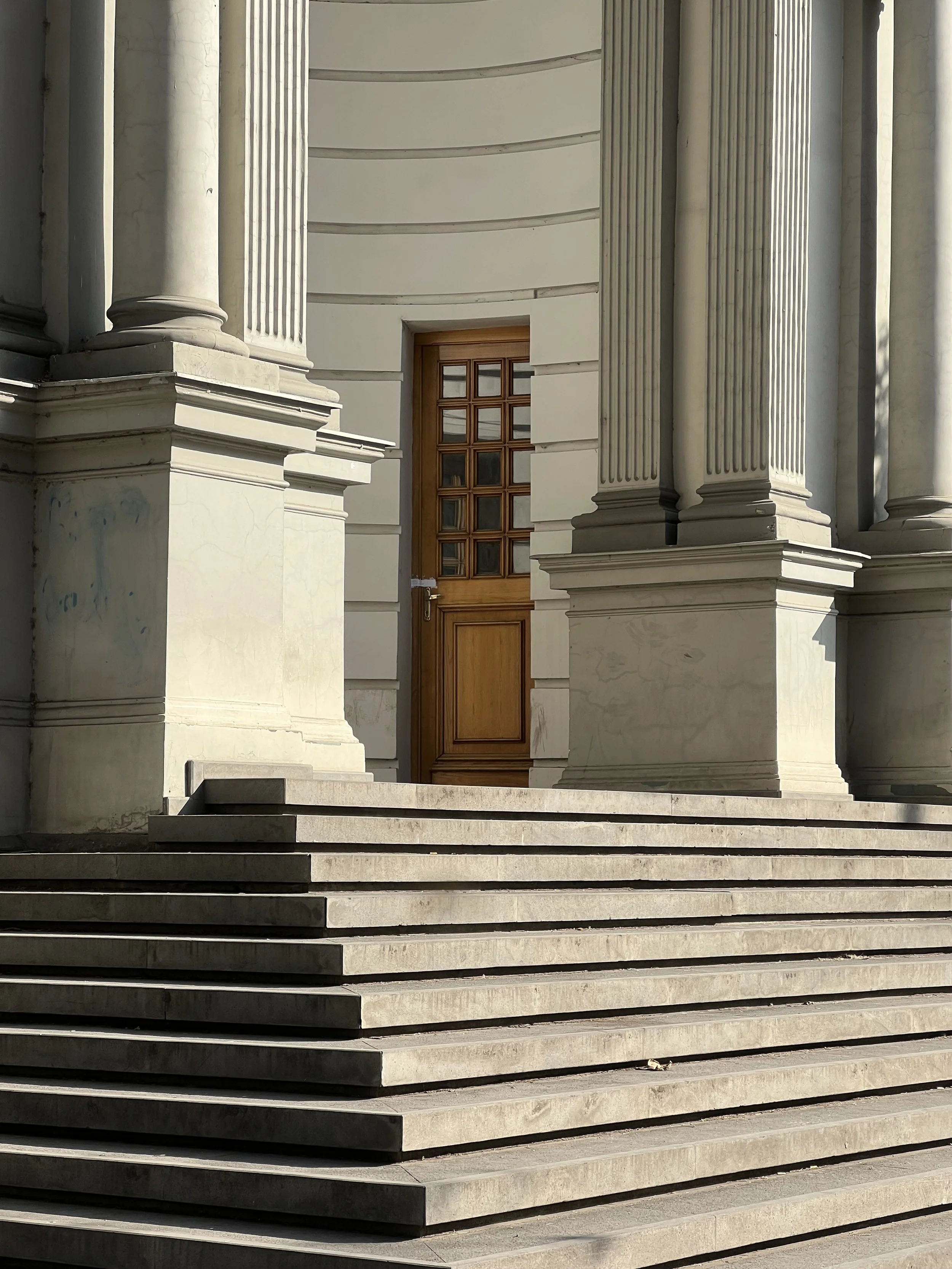
Palace of Rituals — A Soviet wedding palace, monumental and surreal, blending ornament and ideology.
Cube in Context — A radical architectural experiment: modernist cube suspended in the urban fabric, uncompromising in its boldness.
National Scientific Library — Brutalism layered with ornament, austere yet strangely poetic.
Bank of Georgia Headquarters — A structuralist icon, its stacked blocks resembling a giant inhabitable sculpture.
Chronicles of Georgia — Gigantic sculpted pillars overlooking the reservoir. Half temple, half dystopian fantasy.
Media Library of Vake — Contemporary and sleek, a cultural building that feels alive.
Tbilisi State Academy of Arts — Eclectic, ornamented, a microcosm of the city’s layered architecture.
Beyond Tbilisi: The Road to Kazbegi
The drive itself is the destination. Stop at Ananuri Fortress, cross rivers, pass mountains, and feel the landscape rise into something mythic. When you arrive in Kazbegi, standing beneath Gergeti Trinity Church, you’ll understand Georgia differently. The faces, the language, the resilience of the people - it all mirrors the mountains.


Final Word:
Tbilisi does not seduce with perfection. It offers no serenity, no polished convenience. It stands bare, contradictions exposed. The city doesn’t rehearse for outsiders. It simply insists on being.
For me, it was never “just a city.” Even before I arrived, it lived inside me — inheritance from family I barely knew but whose traits I carry: my firm “no,” my selective passions, my head held high. In Georgia, these habits ceased to be flaws. They became recognition.
Georgians are proud, decisive, unbending. They live in absolutes: freedom, education, the future. No half-light. No half-measures. In that, I saw myself arranged into coherence.
Hospitality here is not performance. It is reflex. A supra is not dinner but philosophy, with wine as punctuation. A Sukhishvili performance is not “dance” but a heartbeat — centuries of survival recast as choreography.
Empires rose and collapsed, built and erased. Tbilisi endured - layered, restless, unbroken. Its beauty is not fragile but resilient. Not surface, but soul. Every building a scar turned monument, every feast a declaration: life will go on, loudly and without apology.
And in that defiance, I finally understood where I belong.